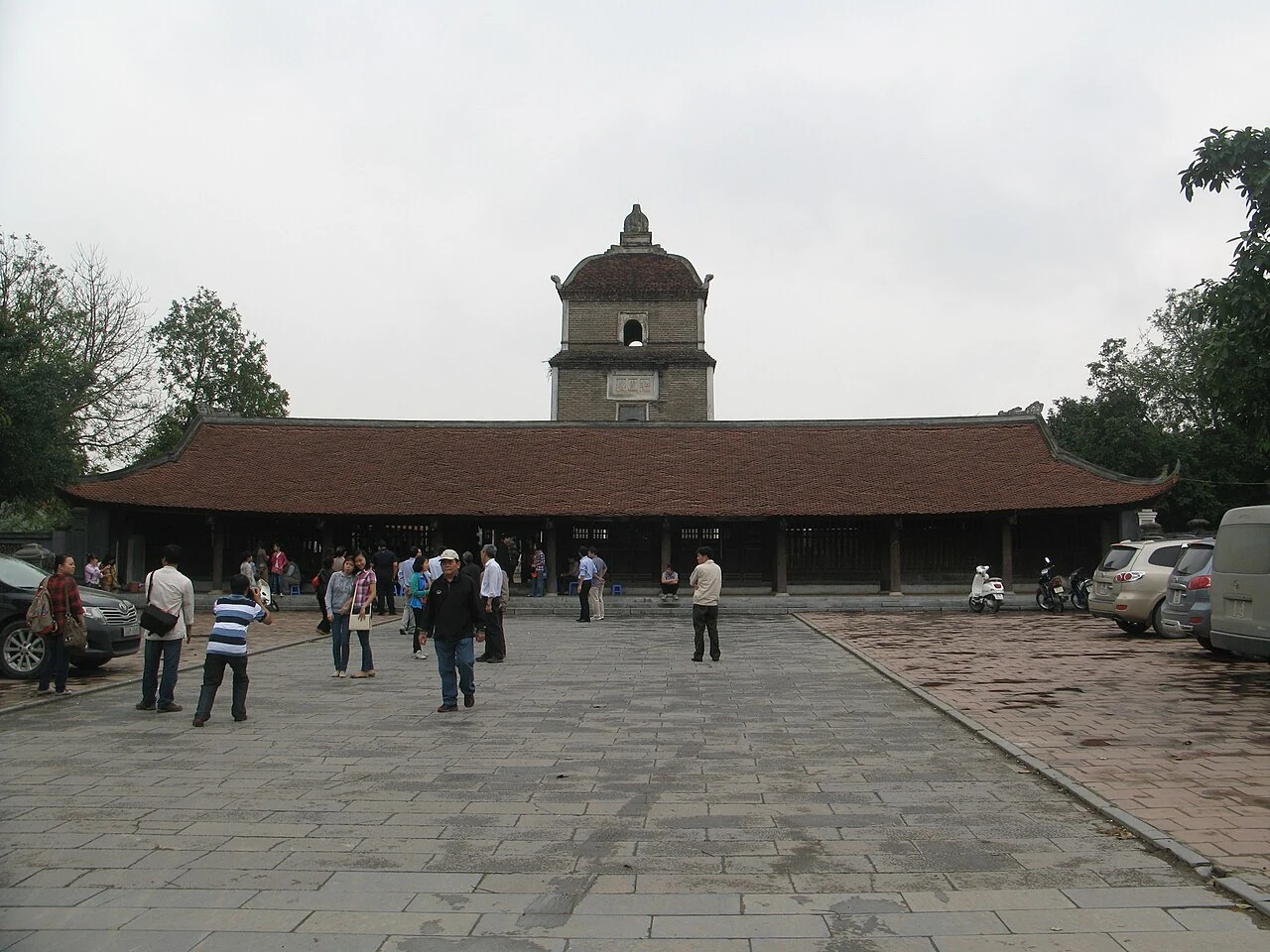
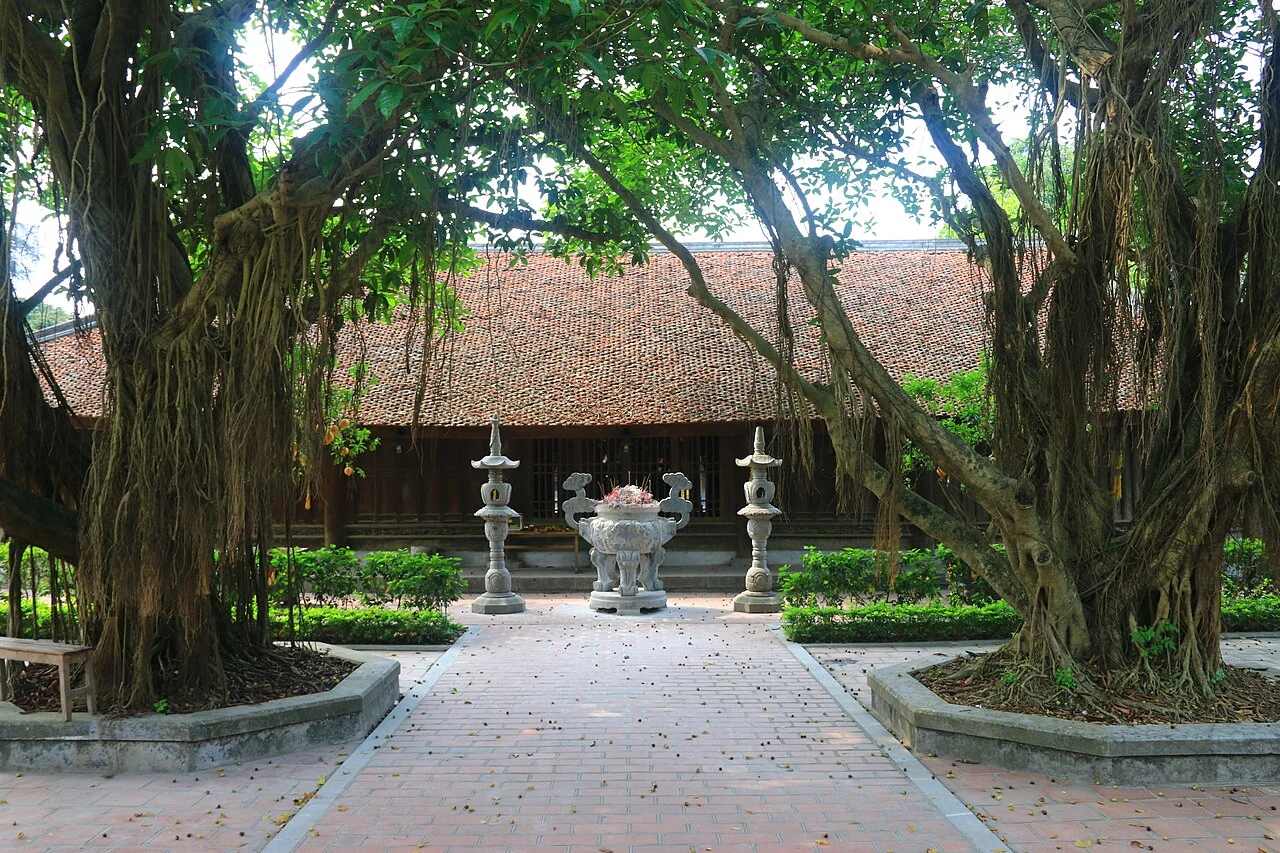
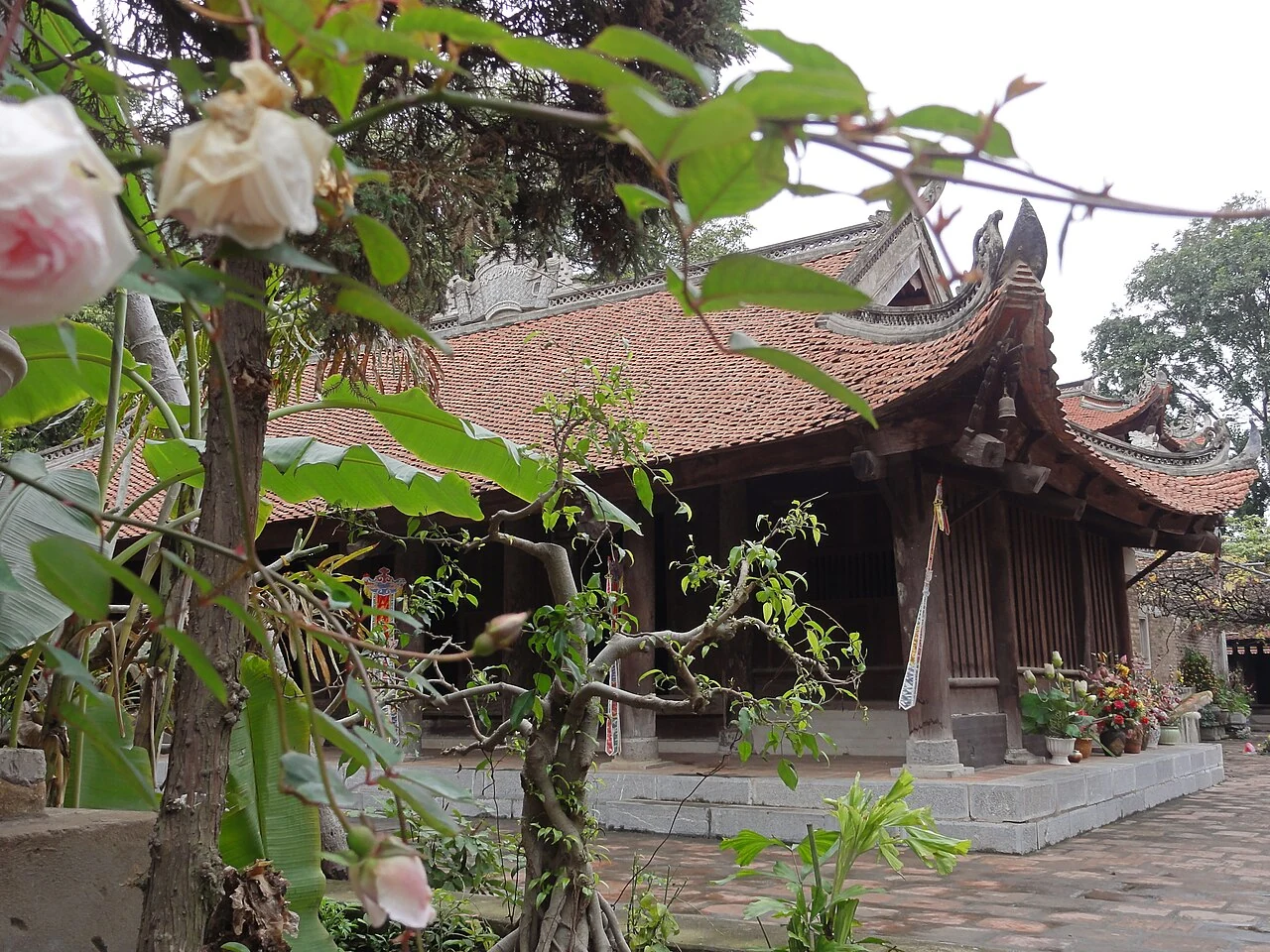
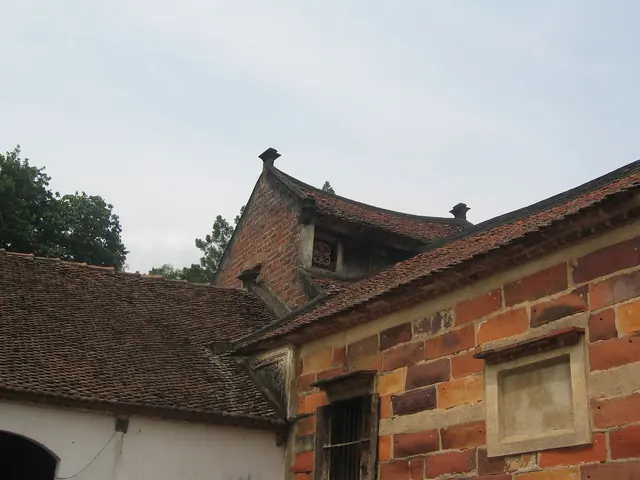
 Phật Giáo VNS
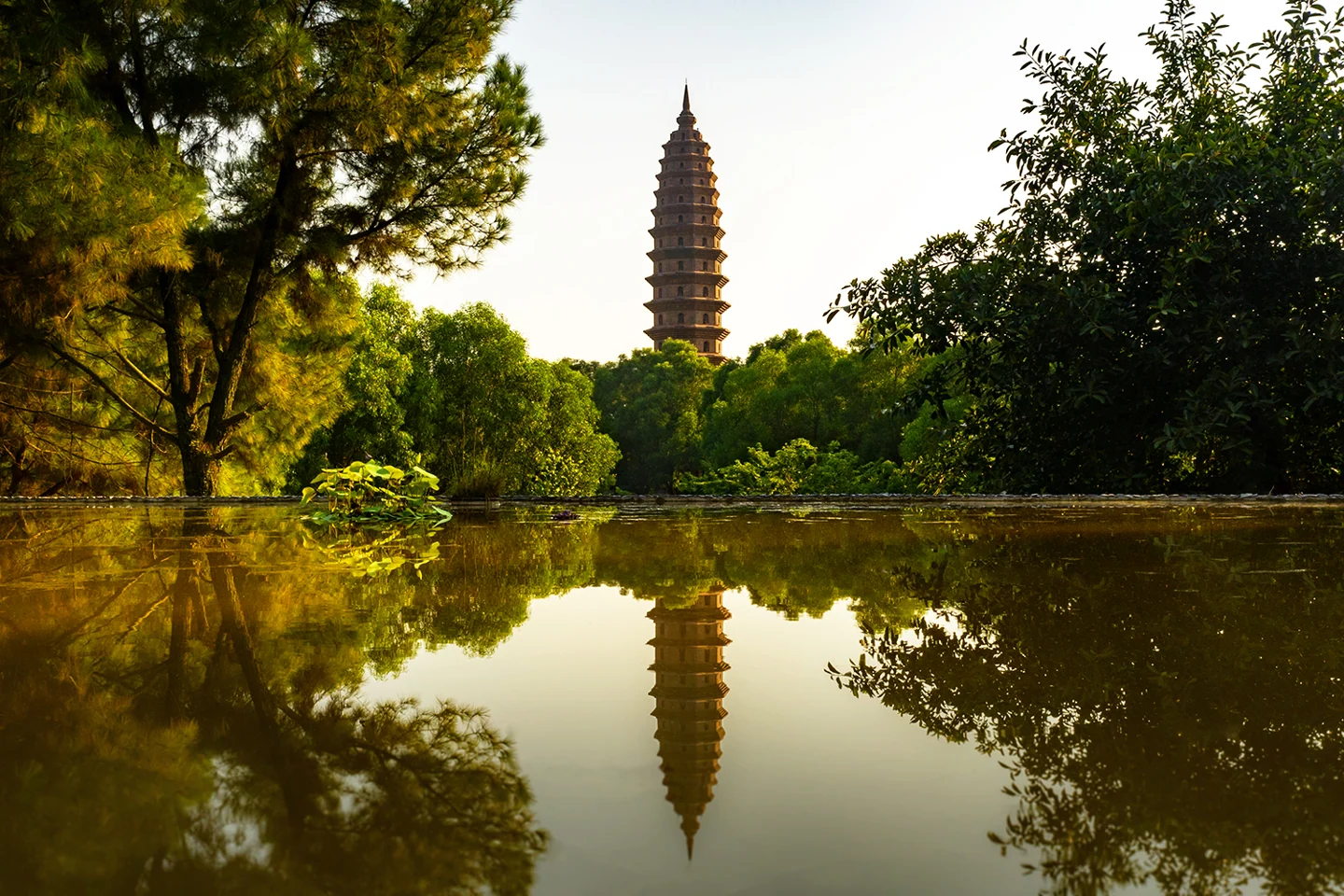
Phật Tích Temple
Vạn Phúc Temple
Bắc Ninh
Swipe or use the arrows to browse photos. Tap a photo to view it in full.
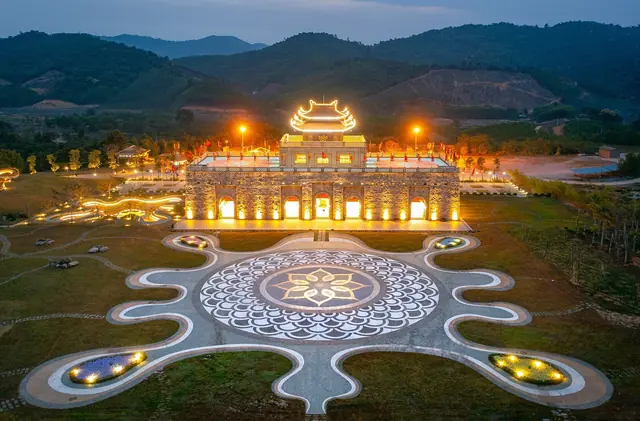
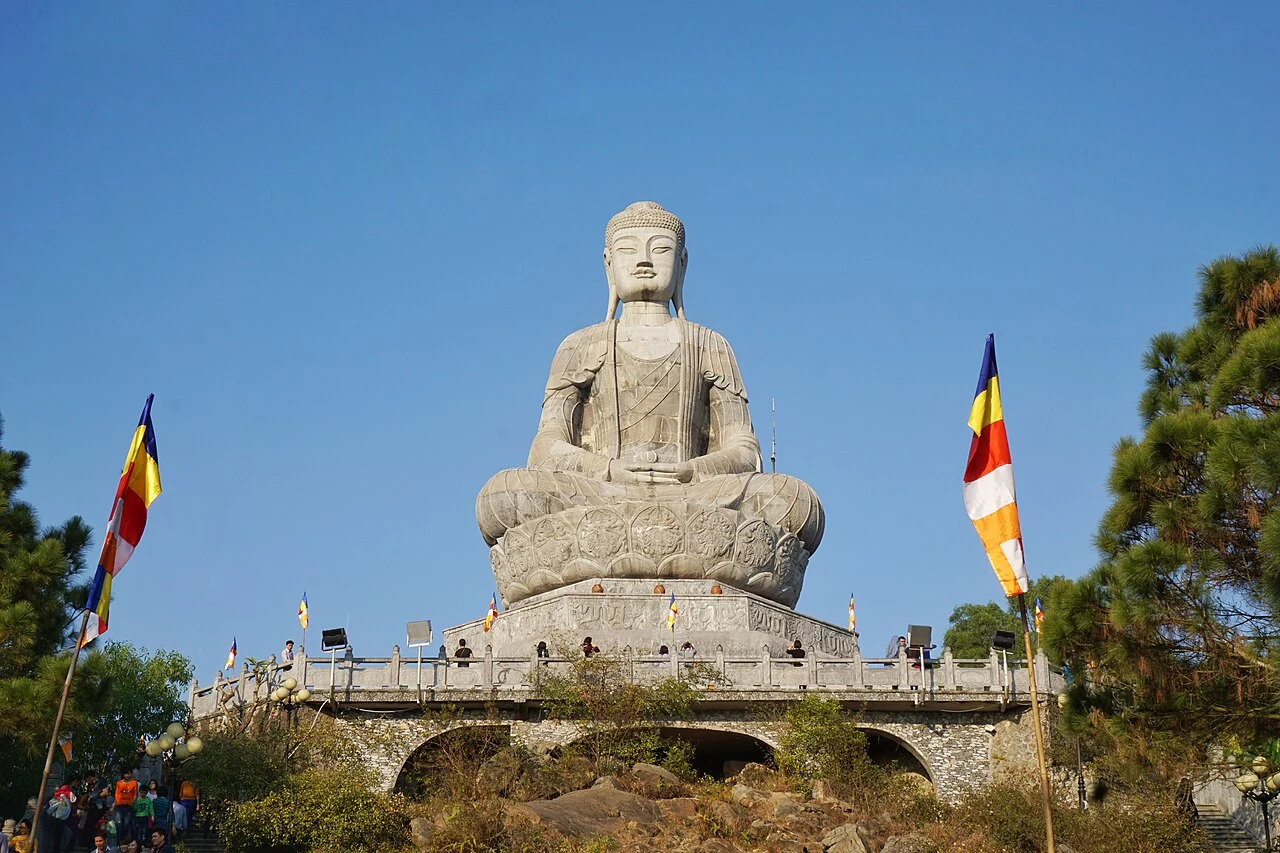
The modern outdoor Amitābha statue at Phật Tích Temple; this is not the Lý-period stone statue inside the temple.
About
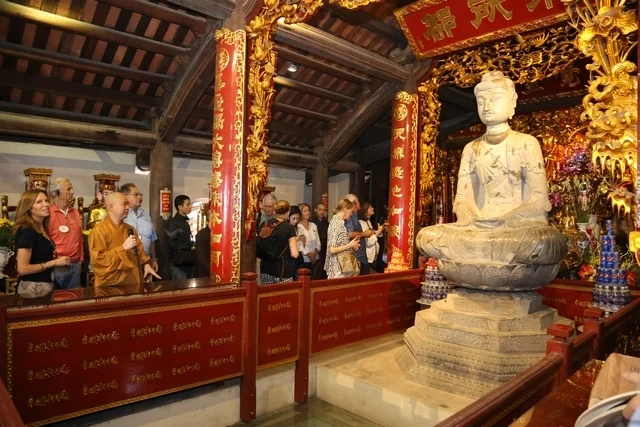
Phật Tích is a historic hillside temple distinguished by its legacy of Lý-period stone sculpture. Its stone Amitābha statue is an important work for understanding the history of Vietnamese Buddhist art.
Visitor information
- Founded
- Major Lý-dynasty construction from 1057
- Visiting hours
- Fixed opening hours have not been confirmed. Please ask the temple.
- Fees
- Check the notices at the destination; the current fee schedule has not been confirmed.
- Address
- Sườn núi Phật Tích, vùng Tiên Du, Bắc Ninh
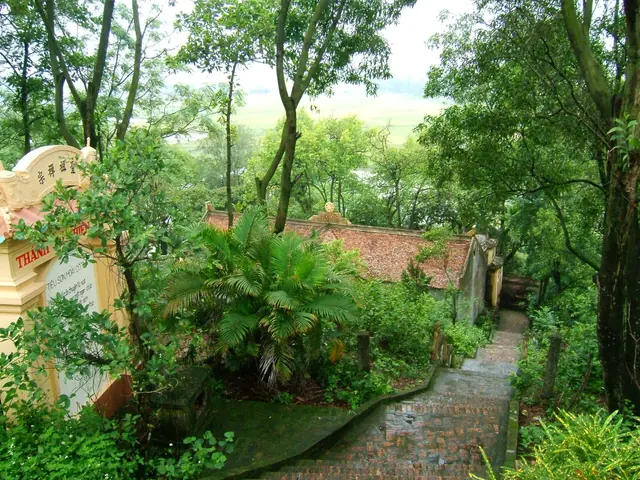
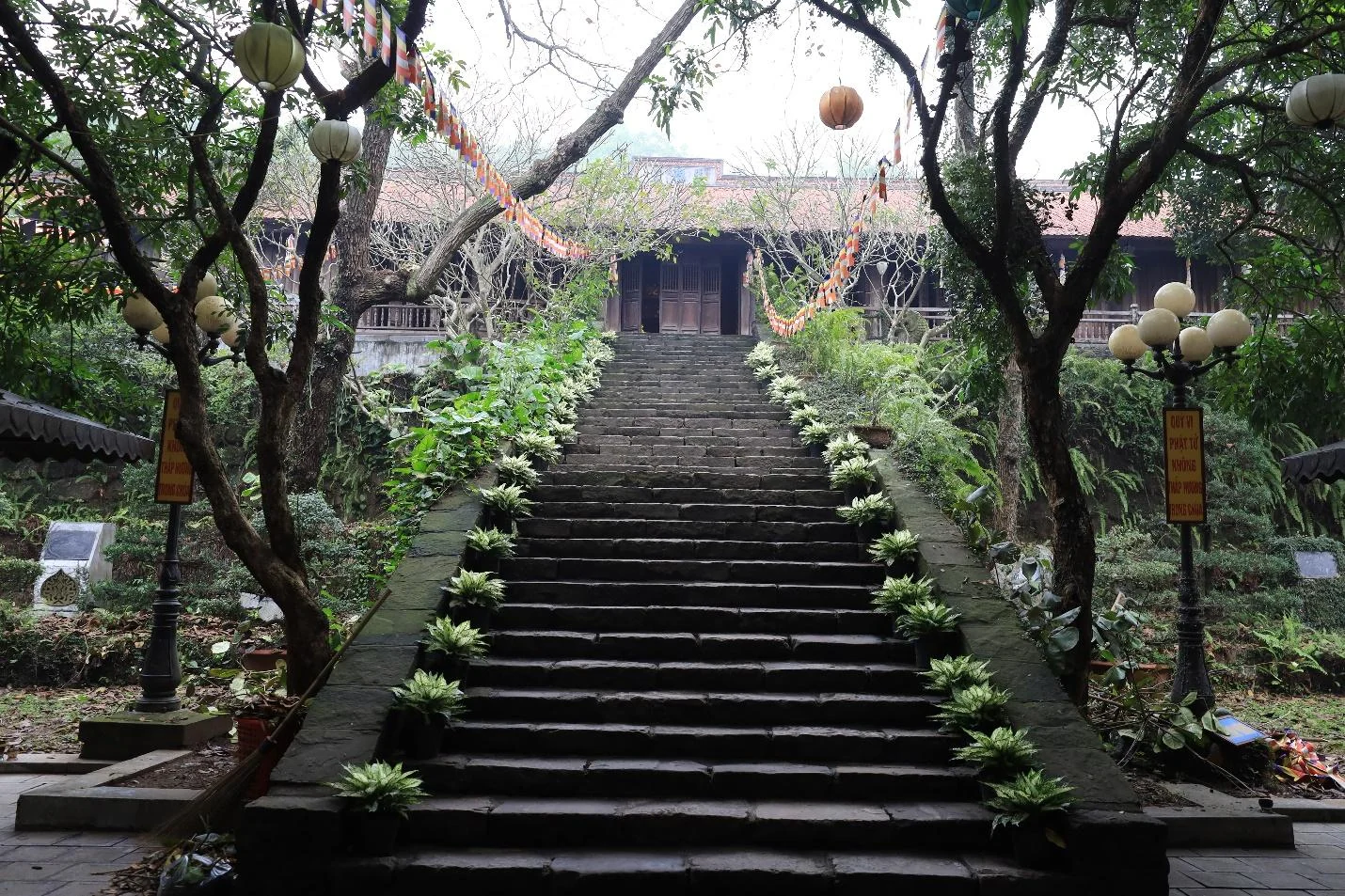
Many steps lead between terraces and to the mountain statue area. Choose a route suited to your health, wear shoes with good grip and do not climb onto statue pedestals.
Highlights
- The Lý-period stone Amitābha statue
- Successive temple terraces on the hillside
- Sculptures and archaeological remains
History and origins
Archaeological materials document several layers of remains from before and during the Lý dynasty. The year 1057 marks important construction under Lý Thánh Tông. Today’s temple combines surviving heritage with structures reconstructed or newly built later.
Architecture & surroundings
Terraces follow the hillside contours. The old Amitābha statue inside the temple must be distinguished from the large modern Buddha on the mountain: the two differ in date and size.
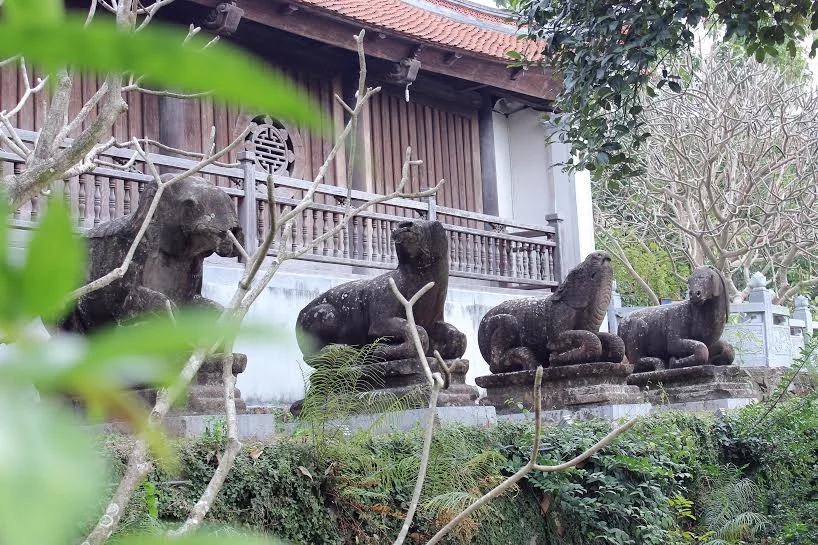
Pairs of stone sacred animals—lions, elephants, rhinoceroses, buffaloes and horses—line the approach to the Three Jewels hall. The old Amitābha in the shrine is distinct from the large outdoor statue; terraces, the stupa garden and hillside scenery create a visit with several layers.
Cultural value
Stone works, sacred animals and architectural decoration show the sculptural achievements of the Lý period. Some objects associated with the temple are kept in museums; not all are displayed on site.
The stone remains illuminate Lý-period Buddhist art, particularly figure modelling and ornamental patterns. Stories of immortals, peonies and mountain scenery belong to local legend and do not replace archaeological or historical evidence.
Events & festivals
Peony Viewing Festival
4th day of the first lunar month
The Peony Viewing Festival is associated with the 4th day of the first lunar month. Its programme and extent vary by year.
References & photo sources
Information checked: 2026-10-20. Documentary photographs may differ from current conditions.
Photo 1. The modern outdoor Amitābha statue at Phật Tích Temple; this is not the Lý-period stone statue inside the temple.
Bongbech · Original photo · CC BY-SA 4.0
Resized and converted to WebP without altering the image content.
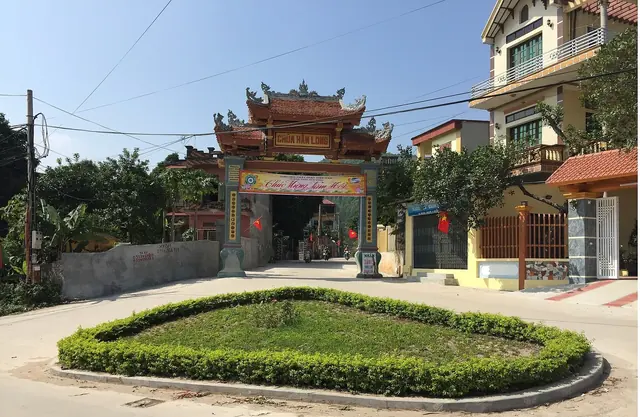
Photo 2. Stone steps leading to the main Buddha hall at Phật Tích Temple.
Bảo tàng Bắc Ninh / Du lịch Bắc Ninh · Original photo · Copyright belongs to the image source
Resized and converted to WebP, preserving the composition. The source is credited; no Creative Commons licence is assigned to this photo.
Photo 3. Stone sacred animals before Phật Tích Temple’s main sanctuary.
Bảo tàng Bắc Ninh / Du lịch Bắc Ninh · Original photo · Copyright belongs to the image source
Resized and converted to WebP, preserving the composition. The source is credited; no Creative Commons licence is assigned to this photo.
Photo 4. The ancient Amitābha Buddha statue in the worship hall of Phật Tích Pagoda.
Bảo tàng Bắc Ninh / Du lịch Bắc Ninh · Original photo · Copyright belongs to the image source
Resized and converted to WebP, preserving the composition. The source is credited; no Creative Commons licence is assigned to this photo.
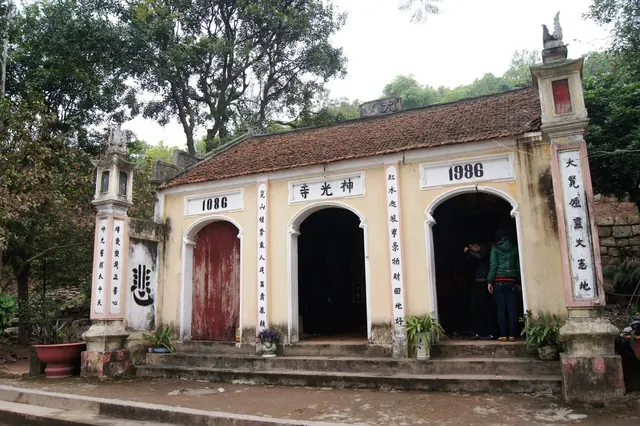
Photo 5. Phổ Quang Stupa in the grounds of Phật Tích Temple.
Bảo tàng Bắc Ninh / Du lịch Bắc Ninh · Original photo · Copyright belongs to the image source
Resized and converted to WebP, preserving the composition. The source is credited; no Creative Commons licence is assigned to this photo.