 Phật Giáo VNS
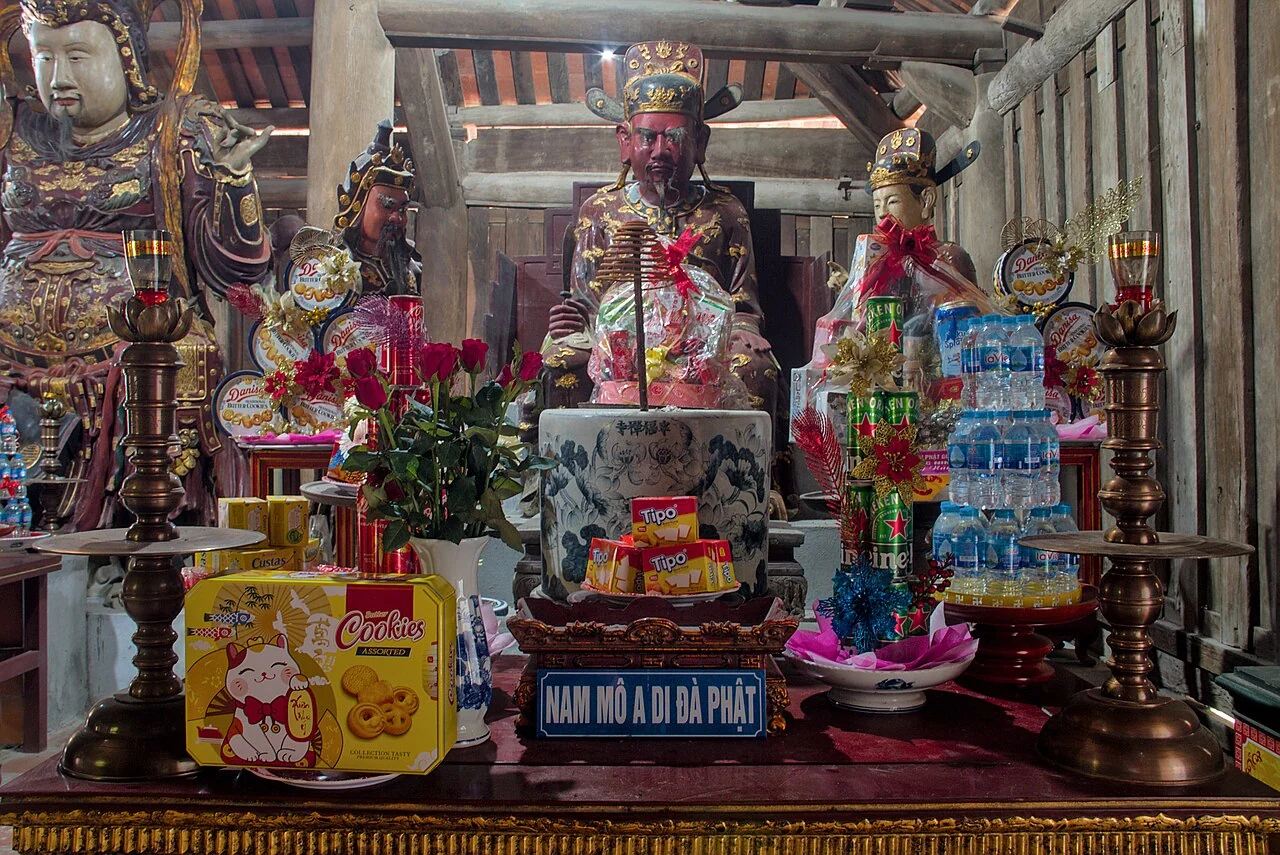
Bút Tháp Temple
Ninh Phúc Temple
Bắc Ninh
Swipe or use the arrows to browse photos. Tap a photo to view it in full.
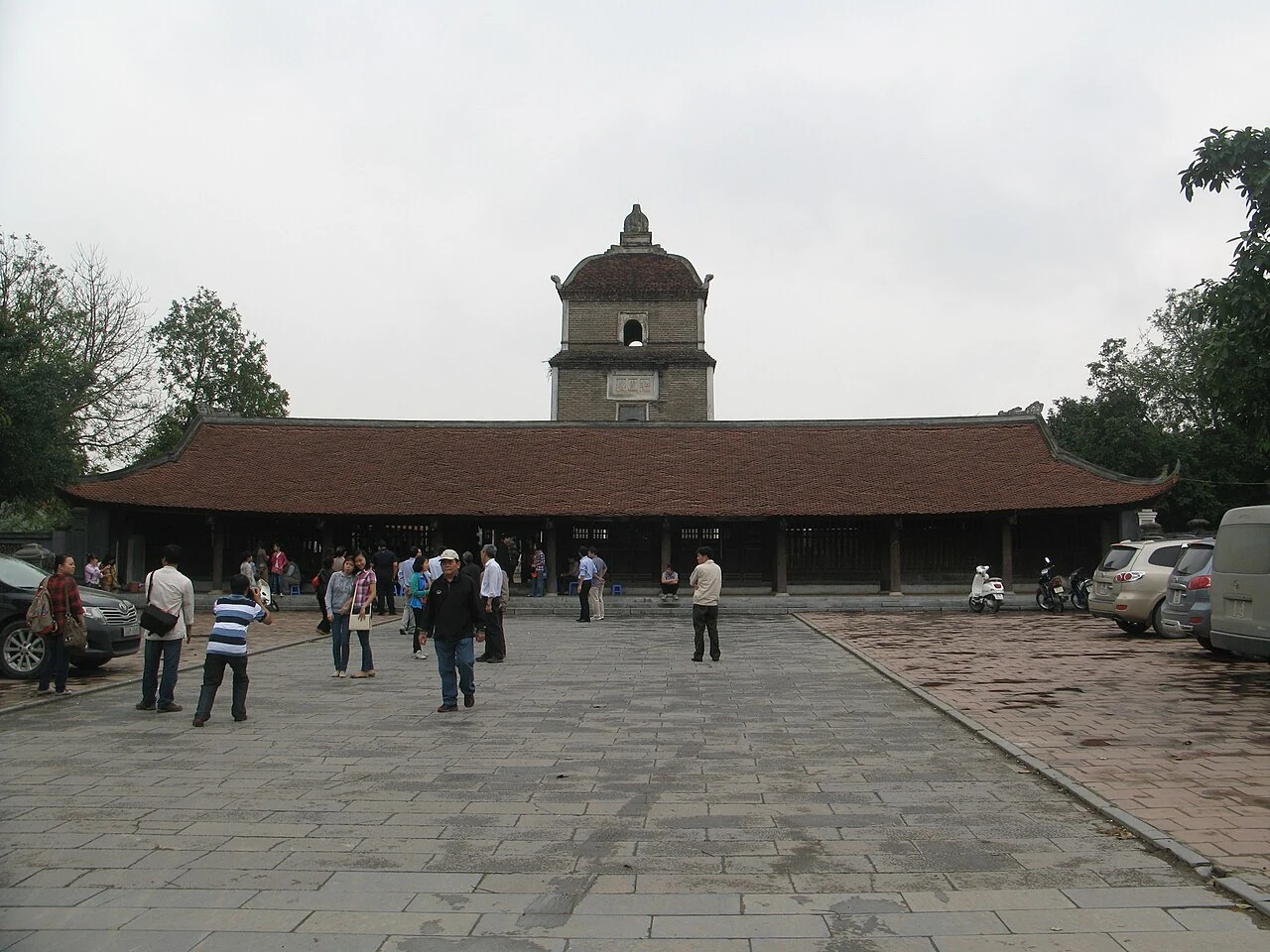
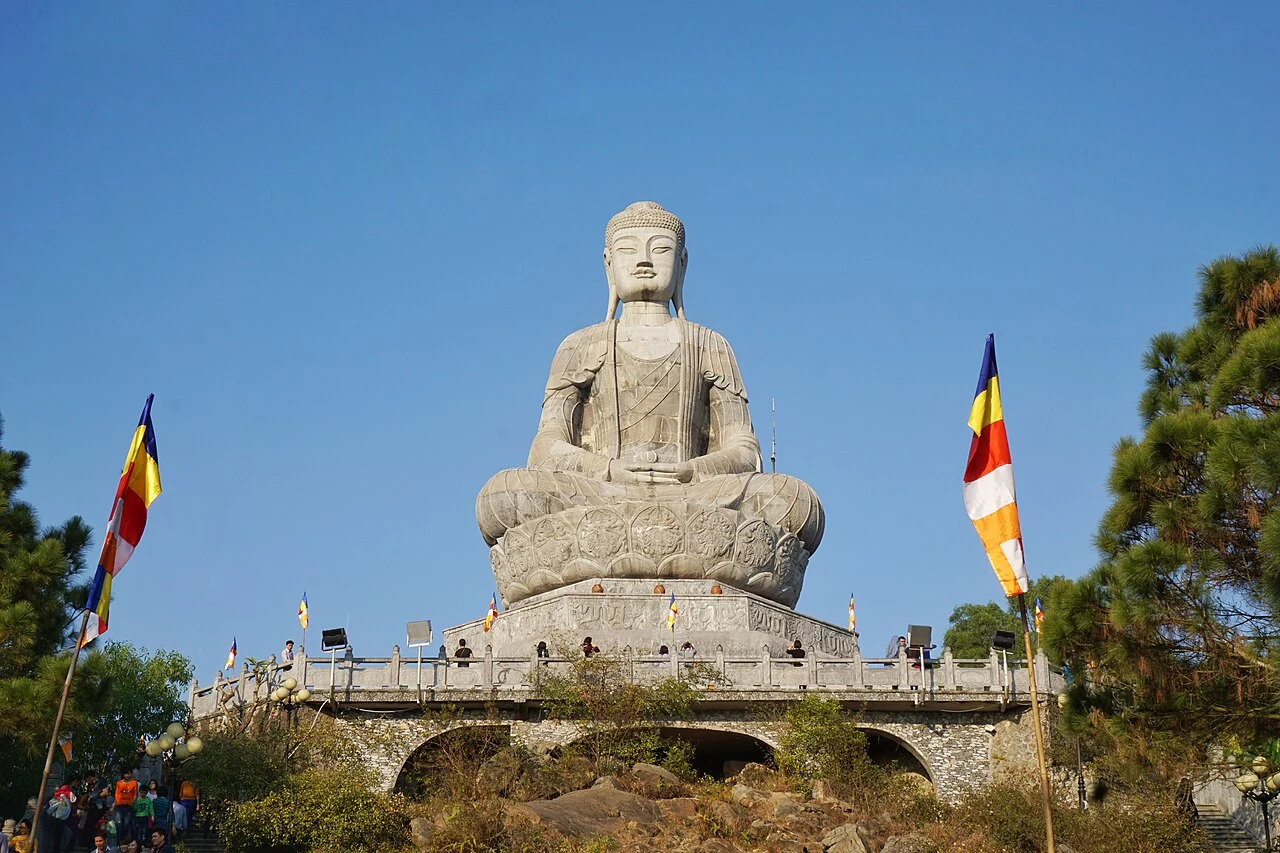
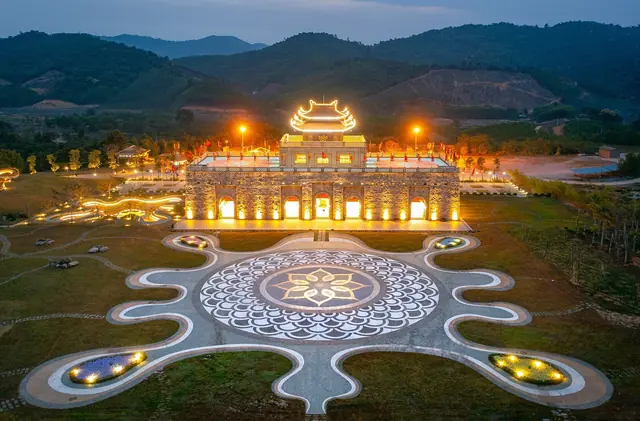
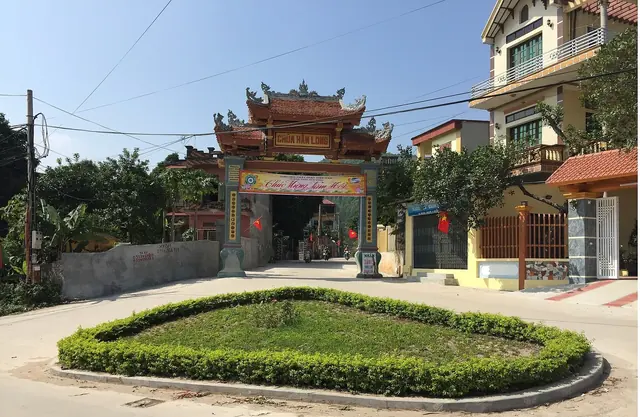
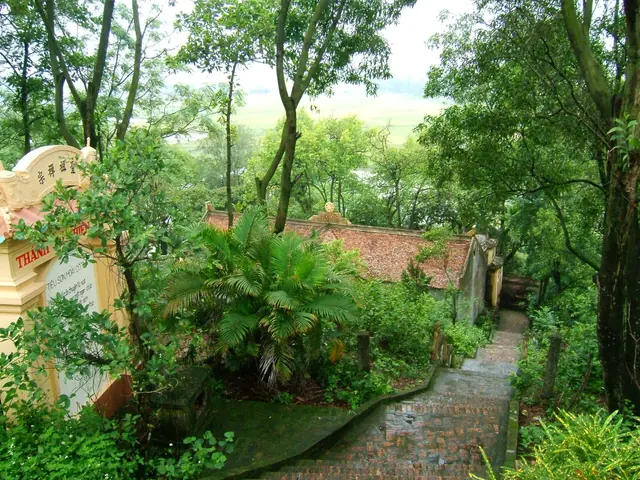
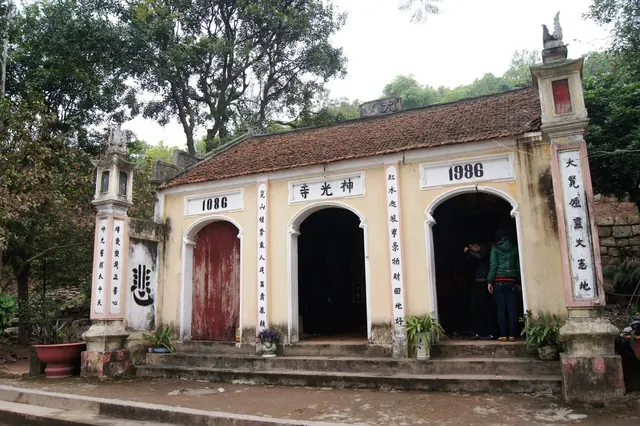
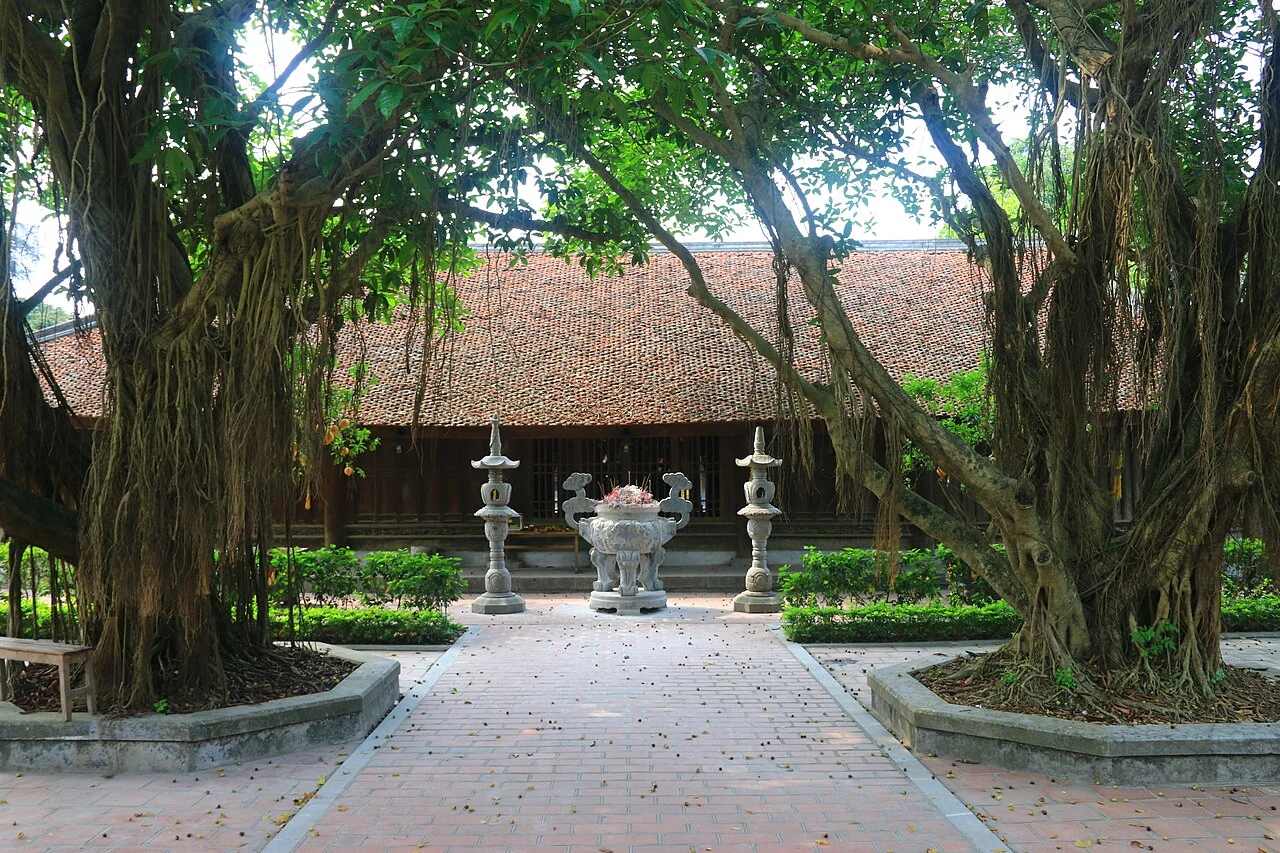
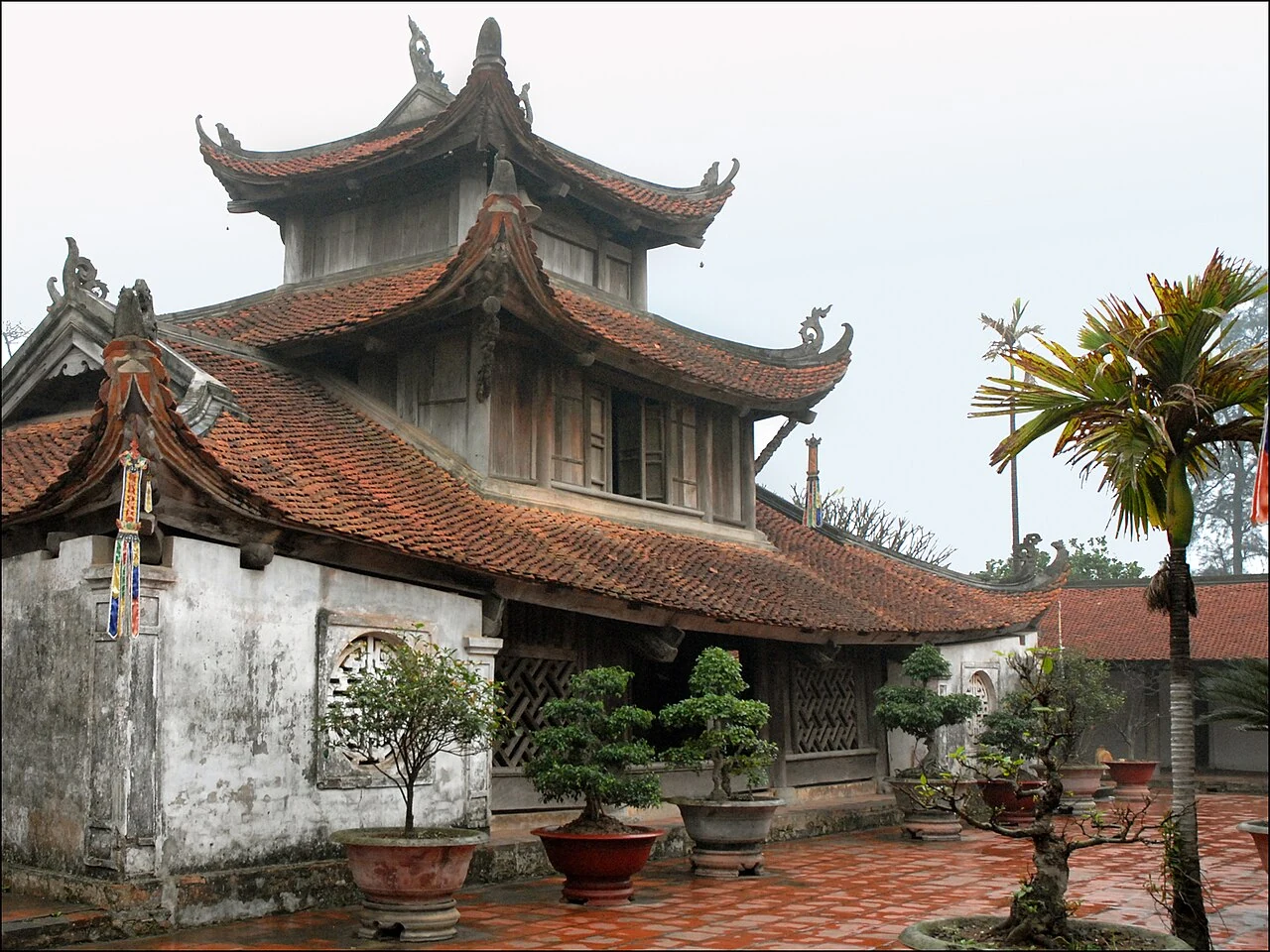
Documentary photo of Bút Tháp Temple. The surroundings may have changed since the photo was taken.
About
Bút Tháp is a historic temple complex in the Đuống River region, renowned for sculpture and carving. Its thousand-eyed, thousand-armed Avalokiteśvara is an outstanding work associated with the temple.
Visitor information
- Founded
- Trần-period traces; notable 17th-century architecture
- Visiting hours
- Fixed opening hours have not been confirmed. Please ask the temple.
- Fees
- Check the notices at the destination; the current fee schedule has not been confirmed.
- Address
- Khu vực Đình Tổ, Thuận Thành, Bắc Ninh
Allow time to view the overall complex before individual halls. Do not touch or attempt to turn historic objects; ask for guidance before photographing statues or hall interiors.
Highlights
- The thousand-eyed, thousand-armed Avalokiteśvara statue
- Báo Nghiêm Tower
- Tích Thiện Am and the Nine Grades Lotus Tower
History and origins
The temple has traces dating to the Trần dynasty and expanded significantly in the 17th century in association with Zen masters Chuyết Chuyết and Minh Hành. Many important structures were built or restored during 1642–1674.
Architecture & surroundings
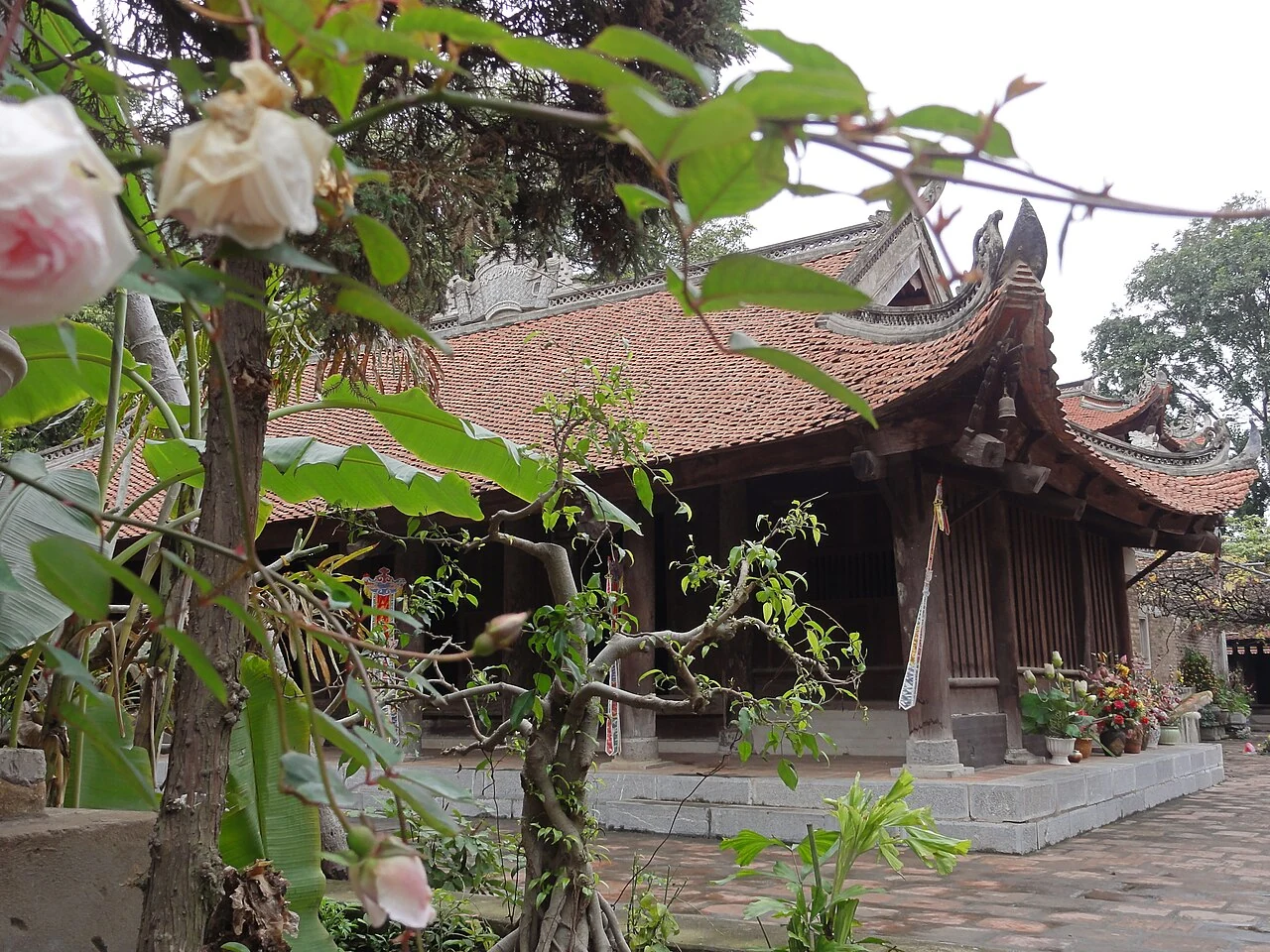
Buildings follow an axis, interspersed with courtyards and corridors. The stone Báo Nghiêm Tower resembles a writing brush. The Avalokiteśvara statue, made by master Trương in 1656, is remarkable for its arrangement of multiple tiers of arms.
Beyond the Three Jewels halls, notice the carved stone balustrades around the upper hall and Tích Thiện Am. The latter contains the wooden Nine Grades Lotus Tower, with eight sides and nine levels, a distinctive example of the temple’s Buddhist art.
Cultural value
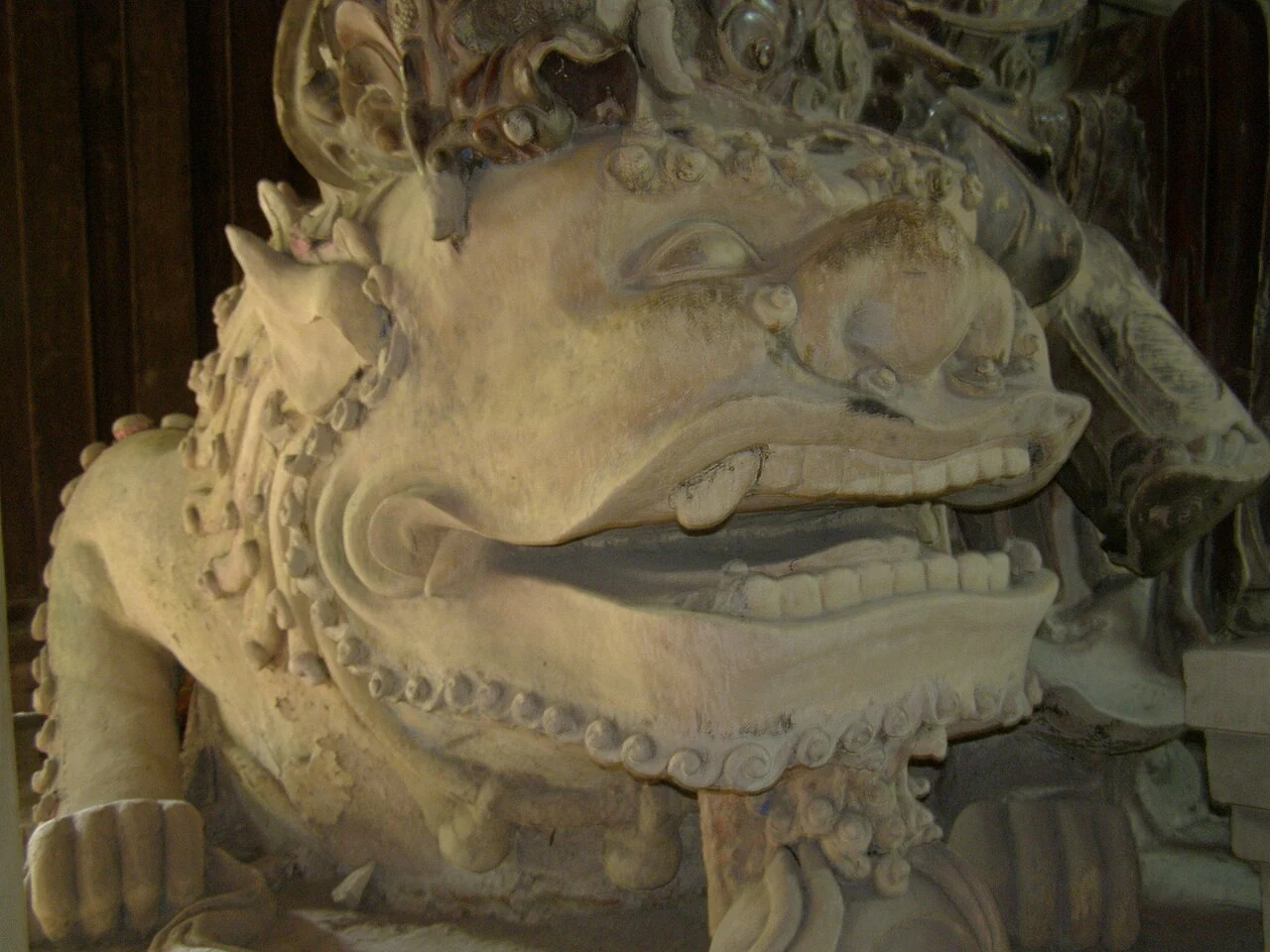
The temple preserves works that illuminate Buddhist art of the Restored Lê period. Their value lies in the sculpture, stone carving, woodwork and overall setting together.
Bút Tháp’s significance includes both the architectural ensemble and individual artworks. Looking carefully at carved wood, stone and statues reveals the work of successive generations of artisans; avoid touching objects so their old surfaces remain protected.
Events & festivals
Festival schedules, services and access to individual areas follow announcements from the temple and local authorities. A current event schedule suitable for planning a visit has not been confirmed. Visitors are warmly invited to enquire beforehand about appropriate services and help preserve the dignity of the temple.
References & photo sources
Information checked: 2026-10-20. Documentary photographs may differ from current conditions.
Photo 1. Documentary photo of Bút Tháp Temple. The surroundings may have changed since the photo was taken.
Benjamin Smith · Original photo · CC BY-SA 4.0
Resized and converted to WebP without altering the image content.
Photo 2. Documentary photo of Bút Tháp Temple. The surroundings may have changed since the photo was taken.
Jean-Pierre Dalbéra · Original photo · CC BY 2.0
Resized and converted to WebP without altering the image content.
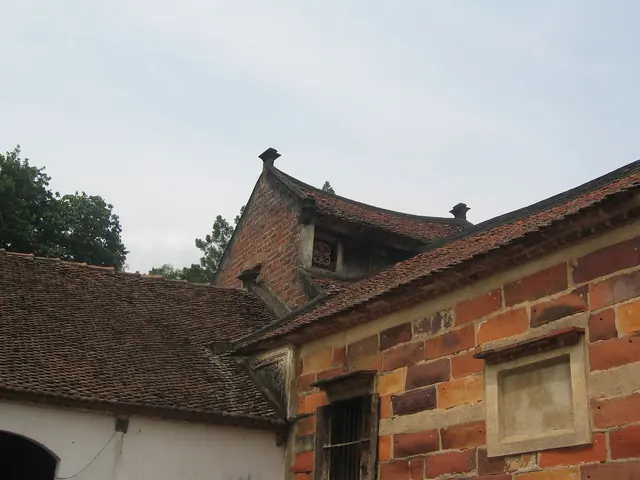
Photo 3. Stone-carving detail at Bút Tháp Temple.
RG72 · Original photo · CC BY-SA 4.0
Resized and converted to WebP, preserving the original composition.
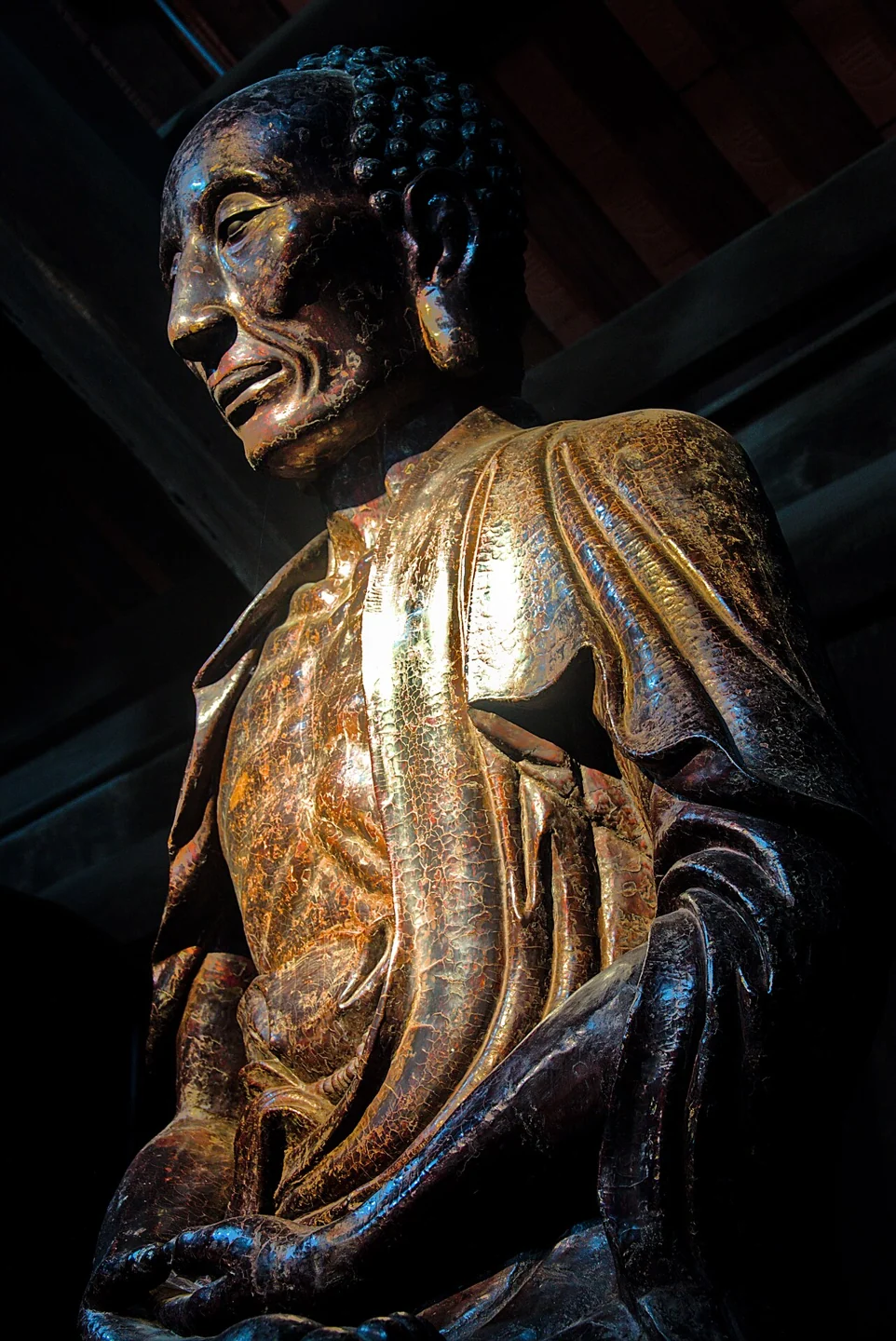
Photo 4. Documentary photo of Bút Tháp Temple. The surroundings may have changed since the photo was taken.
Benjamin Smith · Original photo · CC BY-SA 4.0
Resized and converted to WebP, preserving the original composition.
Photo 5. Documentary photo of Bút Tháp Temple. The surroundings may have changed since the photo was taken.
Benjamin Smith · Original photo · CC BY-SA 4.0
Resized and converted to WebP, preserving the original composition.