 Phật Giáo VNS
Kim Liên Temple
Kim Liên Temple · Đại Bi Temple in Nghi Tàm
Hà Nội
Swipe or use the arrows to browse photos. Tap a photo to view it in full.
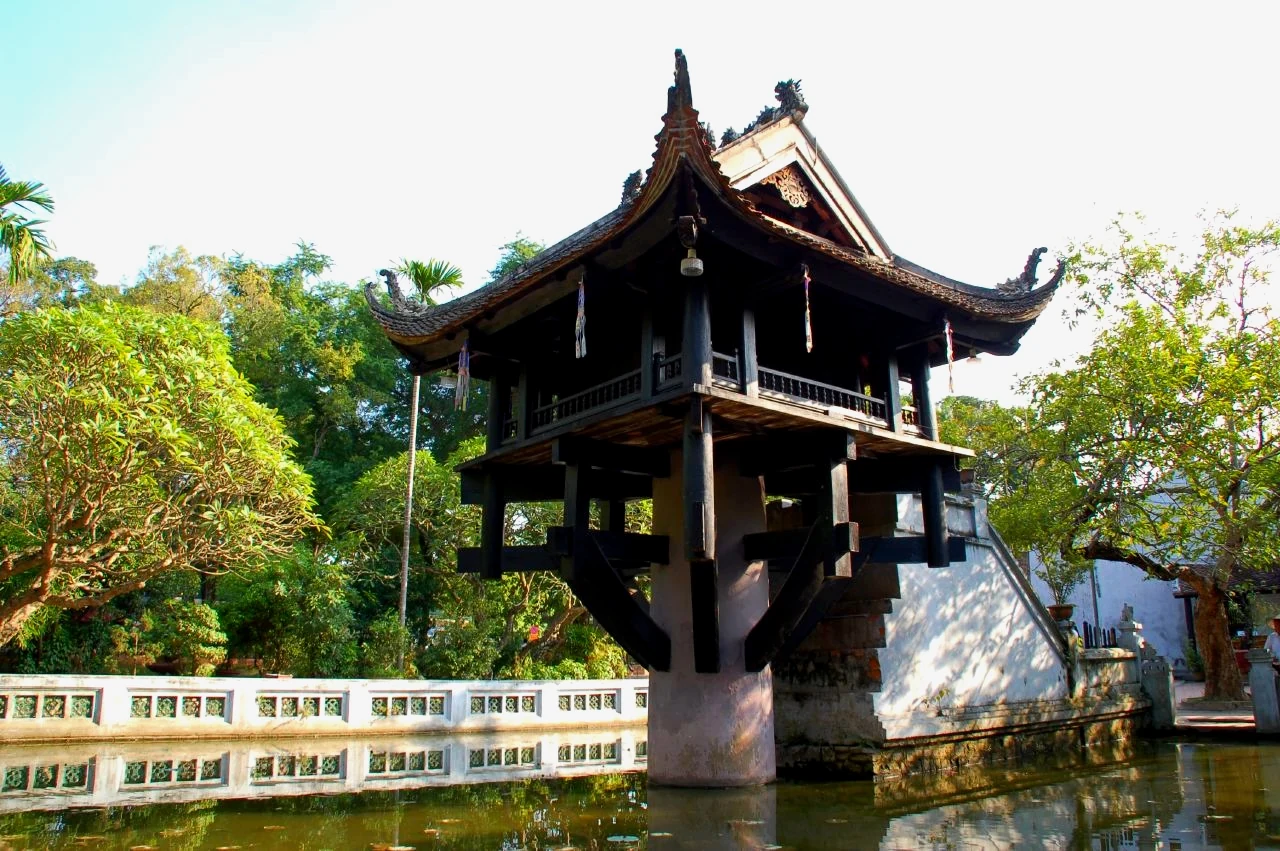
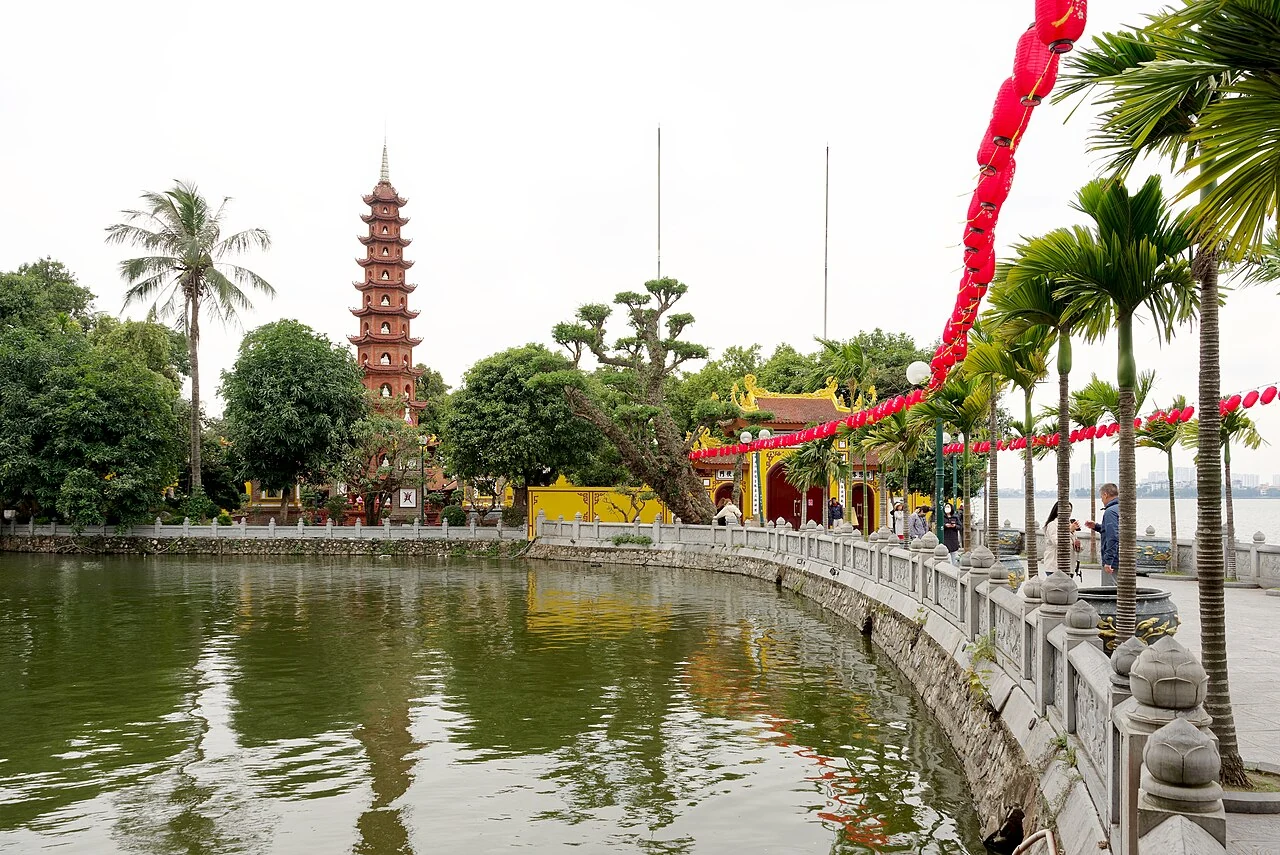
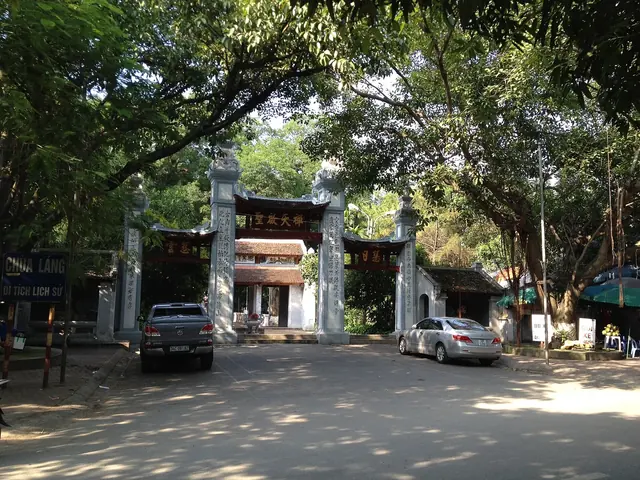
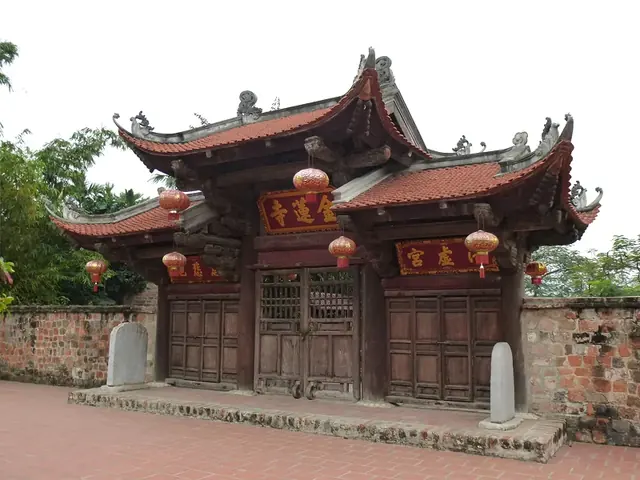
The three-entrance gate of Kim Liên Pagoda beside West Lake; archival photo.
About
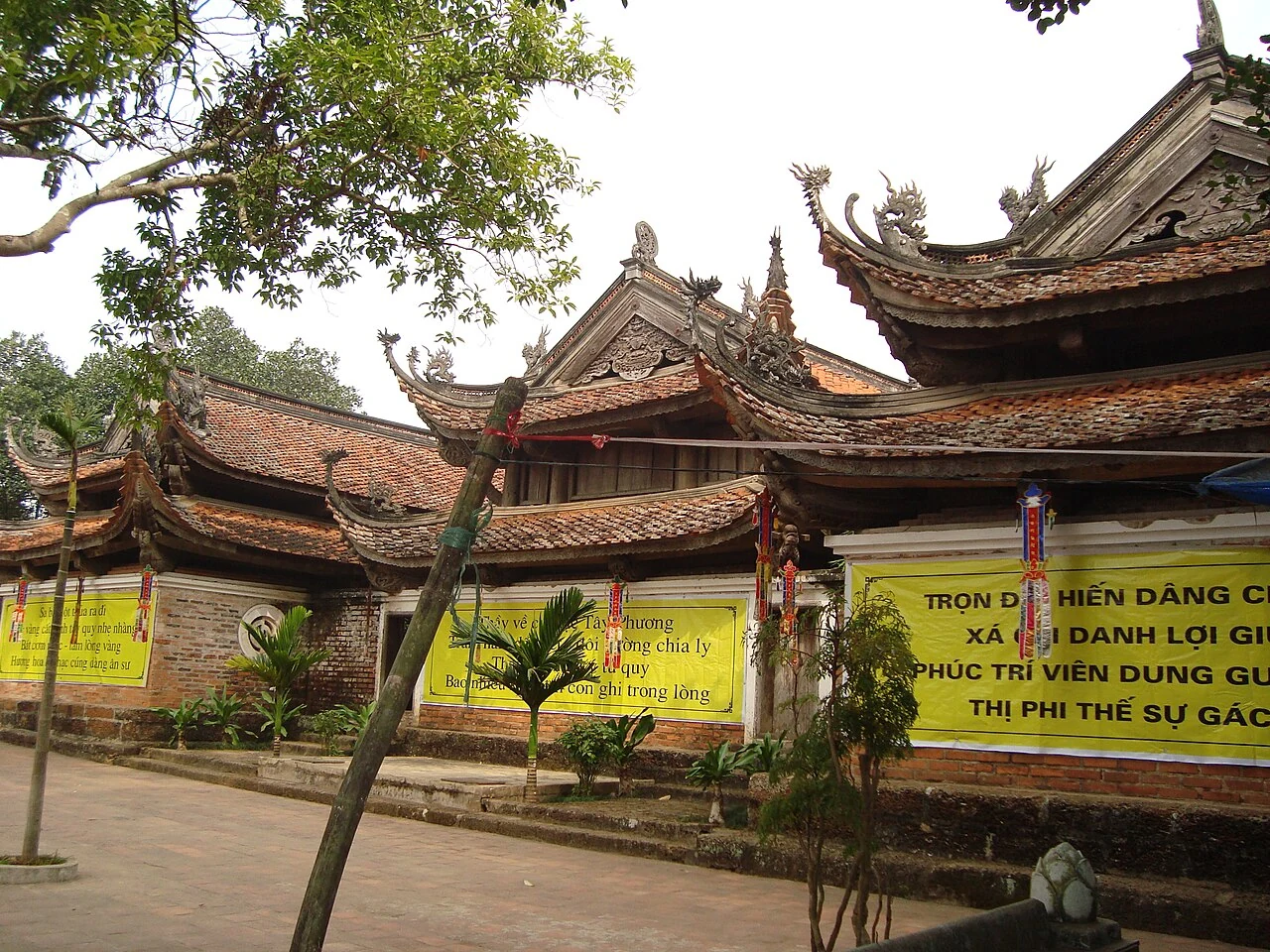
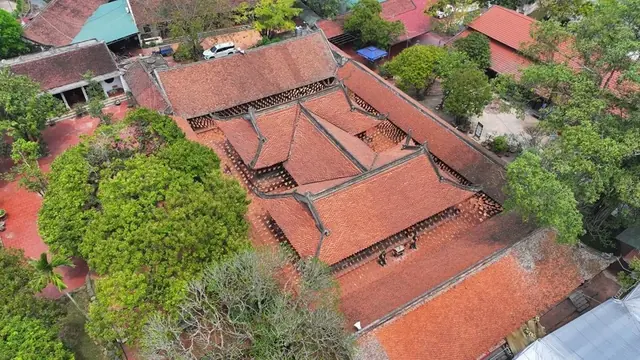
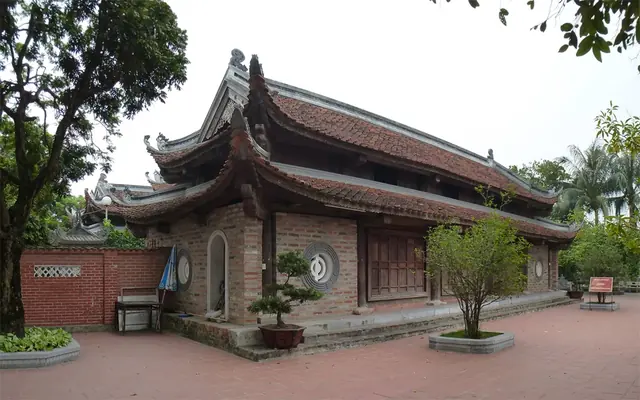
Kim Liên Temple in Nghi Tàm is distinguished by its timber gateway and three halls with layered roofs. This historic temple beside West Lake preserves Tây Sơn-period architectural features, valuable statues and inscriptions.
Visitor information
- Founded
- Documented from the Lê period; an important restoration took place in 1792.
- Visiting hours
- Visiting hours may vary with the practice schedule; please ask the temple before your trip.
- Fees
- No fee has been confirmed by the temple. Please consult notices at the destination; services outside the temple may be charged separately.
- Address
- Phố Từ Hoa, làng Nghi Tàm, phường Tây Hồ, Hà Nội; trước đây thuộc phường Quảng An.
Find Kim Liên Temple in Nghi Tàm, not Kim Liên communal house in the Đống Đa area. The approach passes through residential streets; ask where to park and seek permission before photographing statues, stelae or the inside of worship halls.
Highlights
- A timber gateway with distinctive architectural form.
- Three parallel halls and traces of Tây Sơn-period restoration.
- Historic inscriptions, Buddha statues and carvings.
History and origins
Local tradition connects the site with the Lý-period Từ Hoa palace. Inscriptions record the name Đại Bi Temple during the Lê period; the name Kim Liên appeared later. Repairs and expansion in 1792 are recorded on structural elements and stelae, providing an important milestone for understanding the temple’s architecture.
Architecture & surroundings
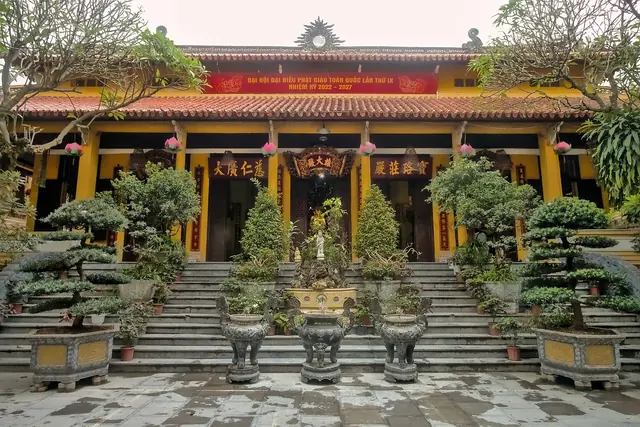
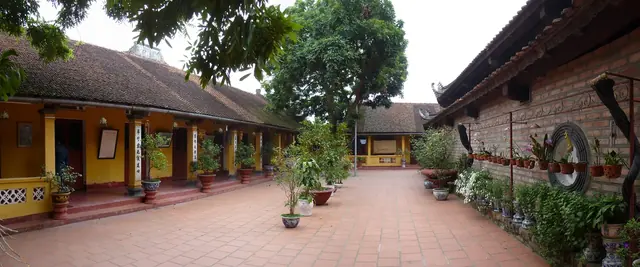
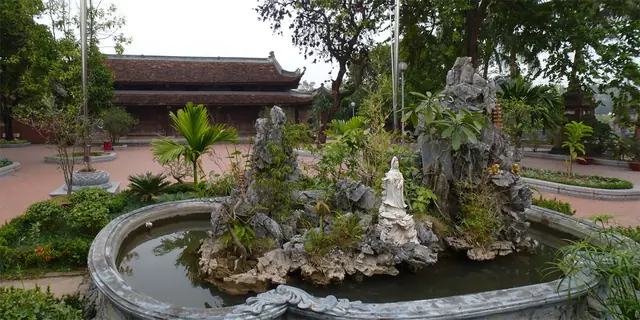
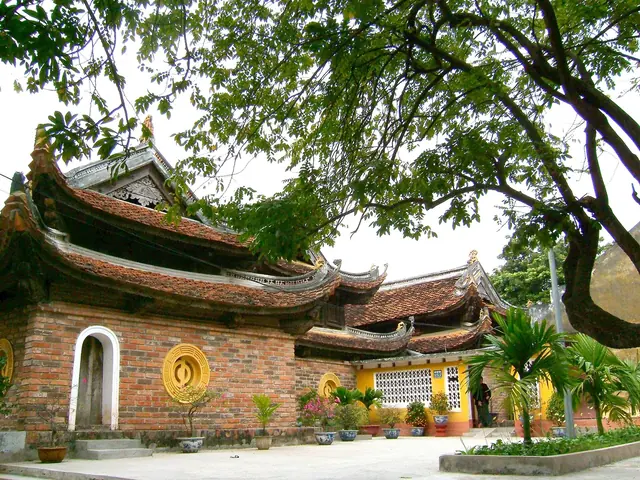
The timber gateway rises through several roof levels and is decorated with dragons and foliage. The Lower, Middle and Upper halls follow a Tam (三)-shaped plan, each with double-tiered roofs and columns resting on stone bases. Courtyards and trees provide a transition to the Nghi Tàm residential area.
Cultural value
Inscriptions, devotional statues and carvings document the Buddhist art of Thăng Long. A restoration stele from 1639 also records the country name Việt Nam, a detail significant to research on the history of the national name.
Events & festivals
Available materials have not confirmed a separate festival schedule for the temple. Please follow announcements or ask the temple before attending a ceremony, so that your visit can be arranged smoothly.
References & photo sources
Information checked: 2026-10-24. Documentary photographs may differ from current conditions.
Photo 1. The three-entrance gate of Kim Liên Pagoda beside West Lake; archival photo.
Tango7174 · Original photo · CC BY-SA 4.0
Resized to a maximum long edge of 640 px and compressed as WebP, preserving the composition and watermark.
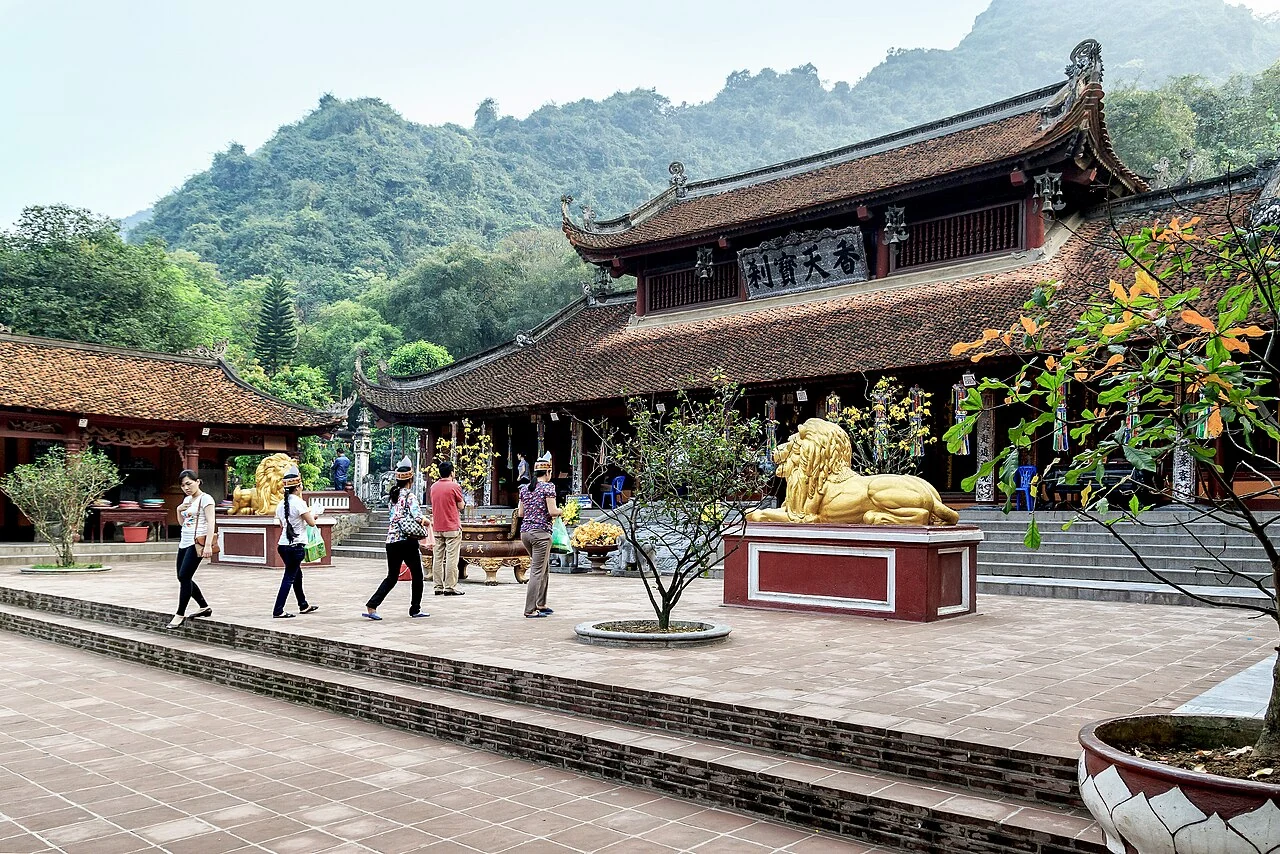
Photo 2. An architectural view of Kim Liên Pagoda; archival photo.
Tango7174 · Original photo · CC BY-SA 4.0
Resized to a maximum long edge of 640 px and compressed as WebP, preserving the composition and watermark.
Photo 3. Kim Liên Pagoda in an archival photo.
Tango7174 · Original photo · CC BY-SA 4.0
Resized to a maximum long edge of 640 px and compressed as WebP, preserving the composition and watermark.
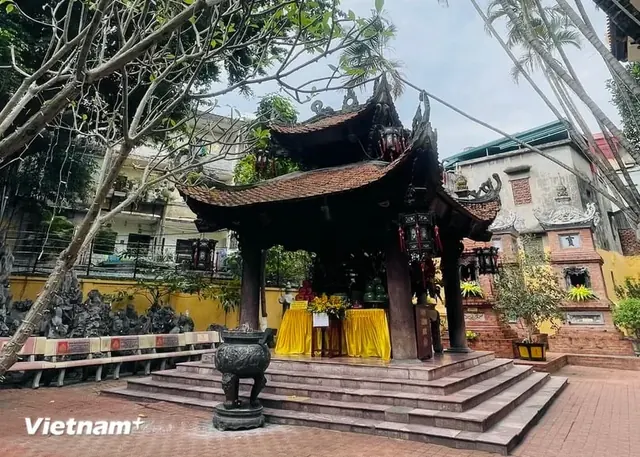
Photo 4. An ornamental pond and miniature rock landscape in Kim Liên Temple grounds; documentary photograph.
Tango7174 · Original photo · CC BY-SA 4.0
Resized to a maximum long edge of 640 px and compressed as WebP, preserving the composition and watermark.
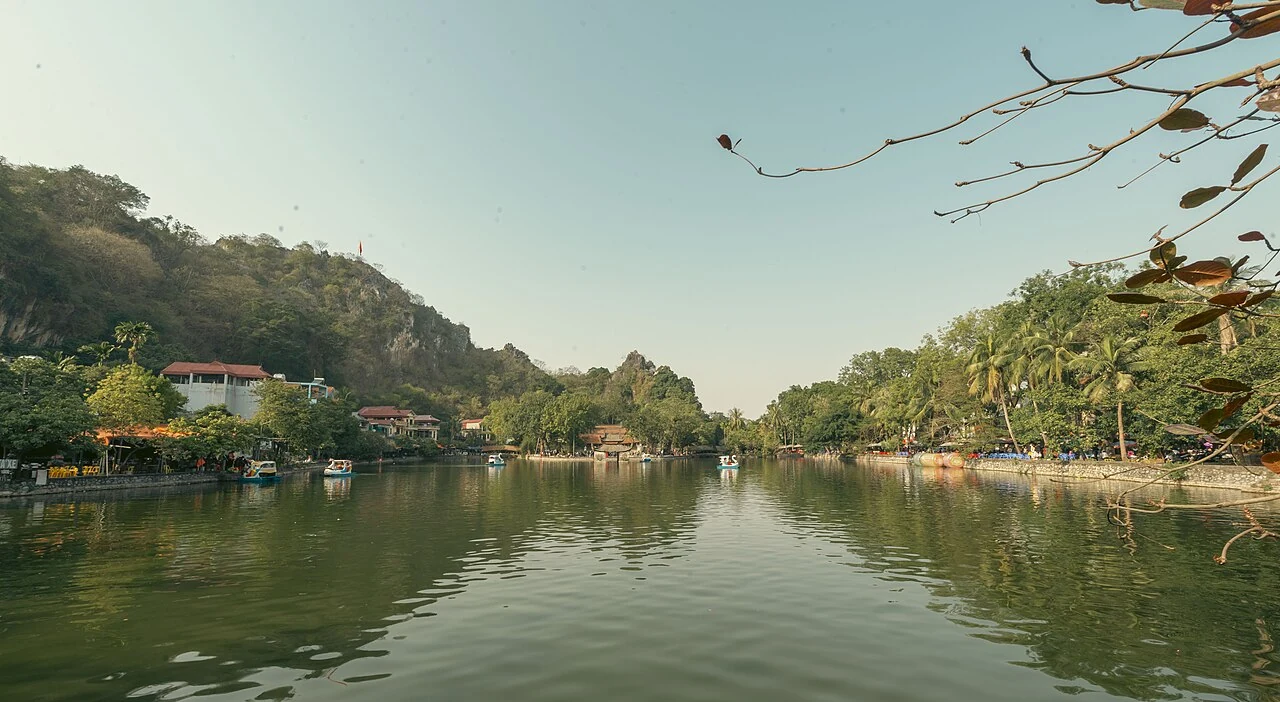
Photo 5. Kim Liên Temple beside West Lake in a documentary photograph.
Viethavvh at vi.wikipedia · Original photo · Public domain
Resized to a maximum long edge of 640 px and compressed as WebP, preserving the composition and watermark.