 Phật Giáo VNS
Bích Động Temple
Bích Động Temple · Lower, Middle and Upper temples
Ninh Bình
Swipe or use the arrows to browse photos. Tap a photo to view it in full.
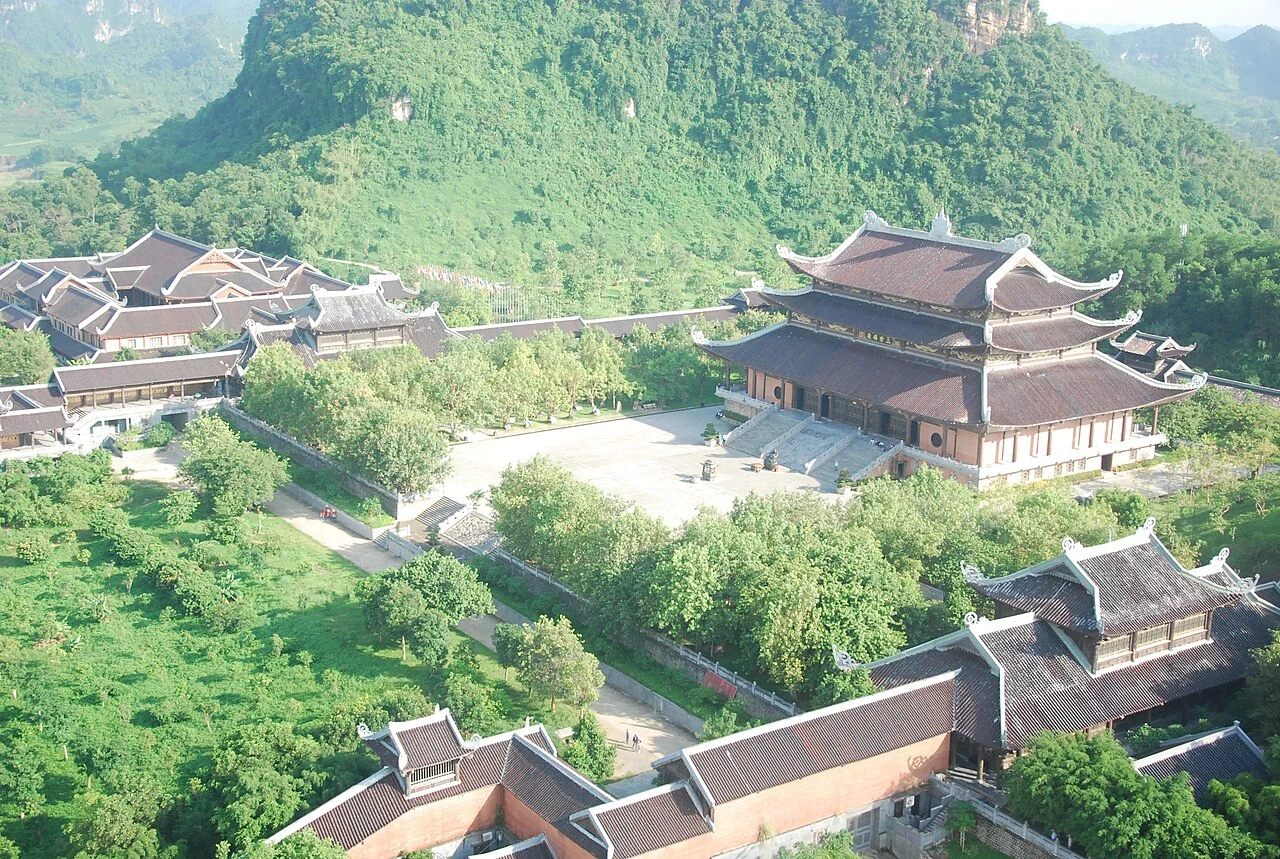
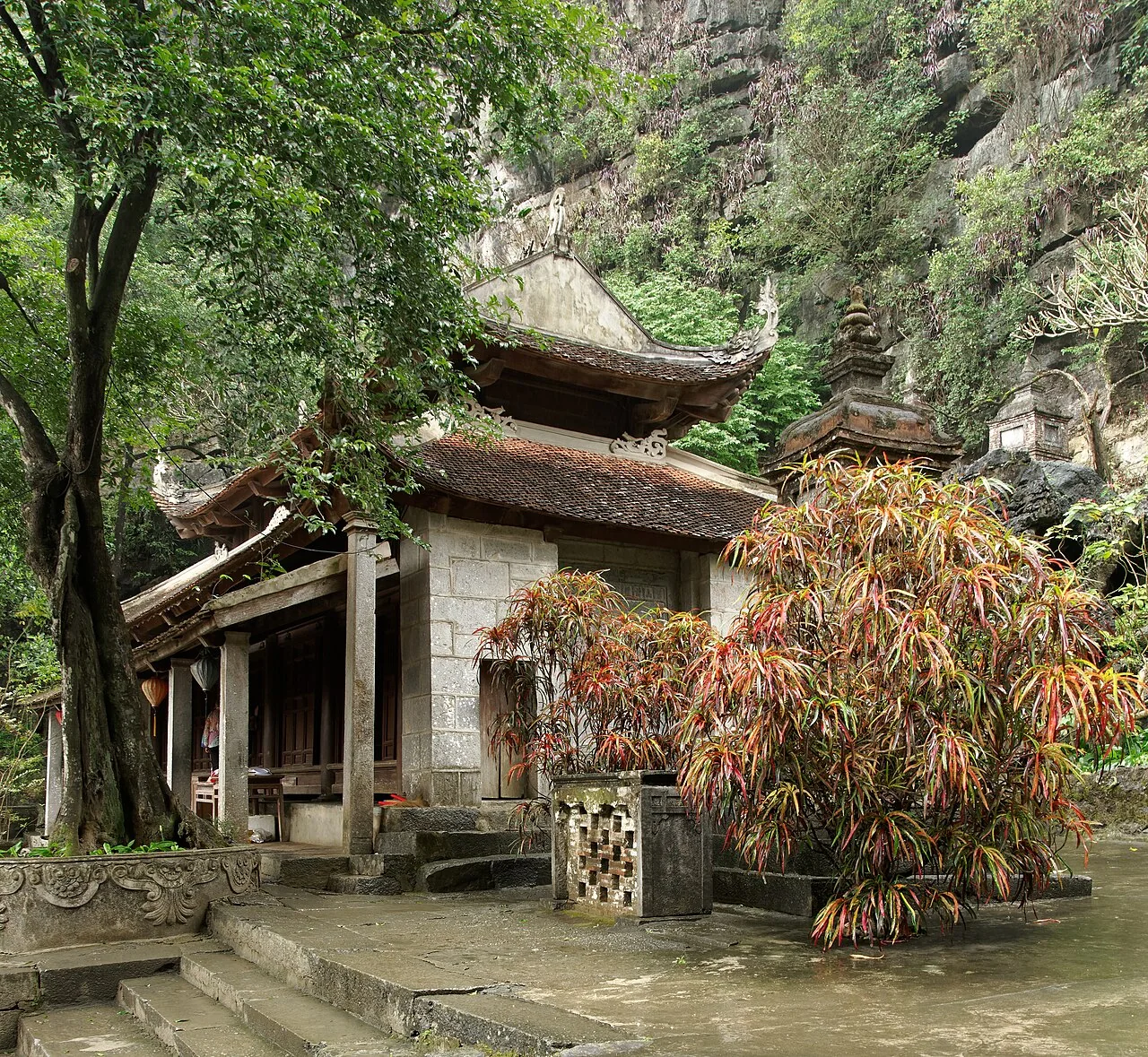
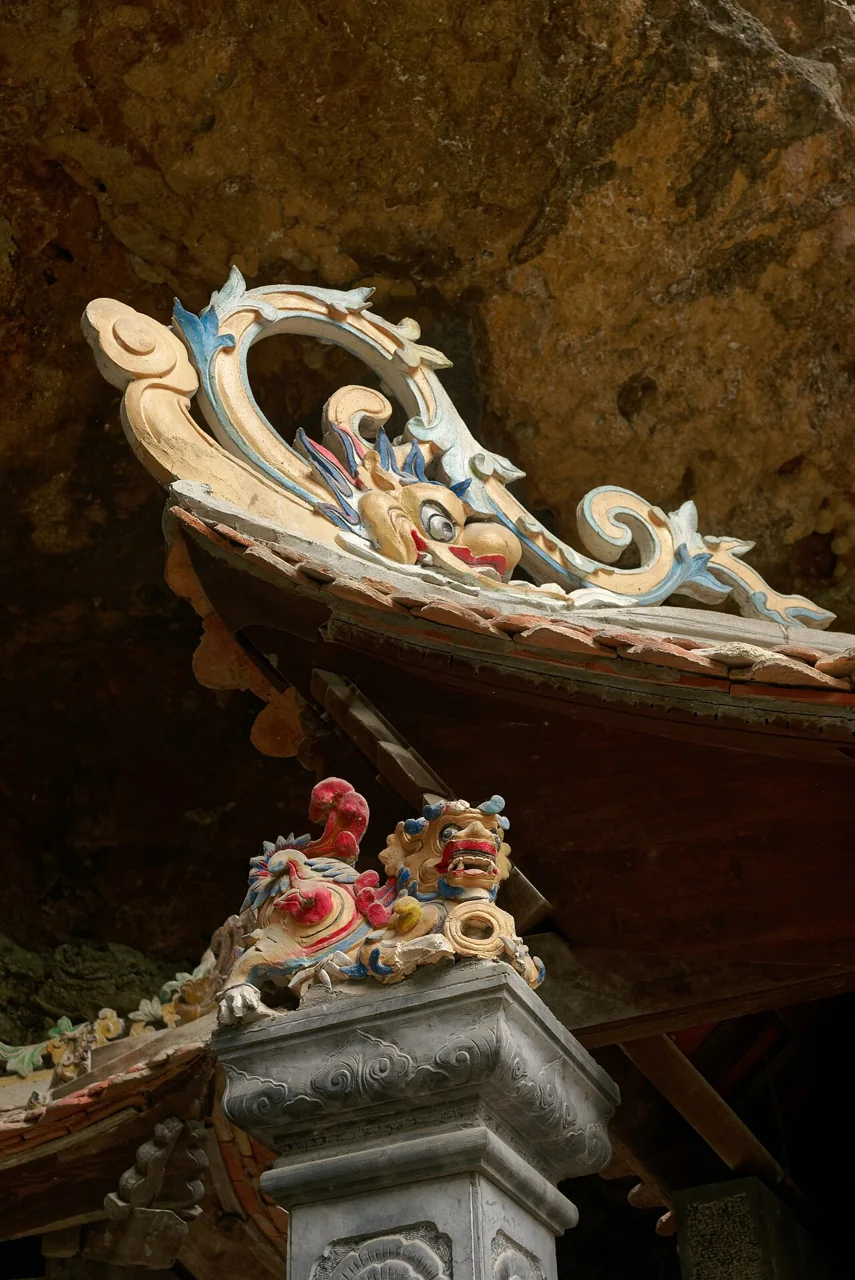
Bích Động Temple amid the rocky mountains.
About
Bích Động Temple leans against a limestone mountain, combining three temple buildings at different elevations. Water, a stone gateway, cliffs and caves form a distinctive ensemble within the Tam Cốc–Bích Động landscape.
Visitor information
- Founded
- Founded during the Later Lê restoration period; the name Bích Động is associated with 1774.
- Visiting hours
- Please ask the temple about visiting hours and the practice schedule before coming.
- Fees
- Please consult the guidance and posted information at the destination; services outside the temple may be charged separately.
- Address
- Khu vực Ninh Hải, Hoa Lư cũ, tỉnh Ninh Bình; trong vùng cảnh quan Tam Cốc – Bích Động.
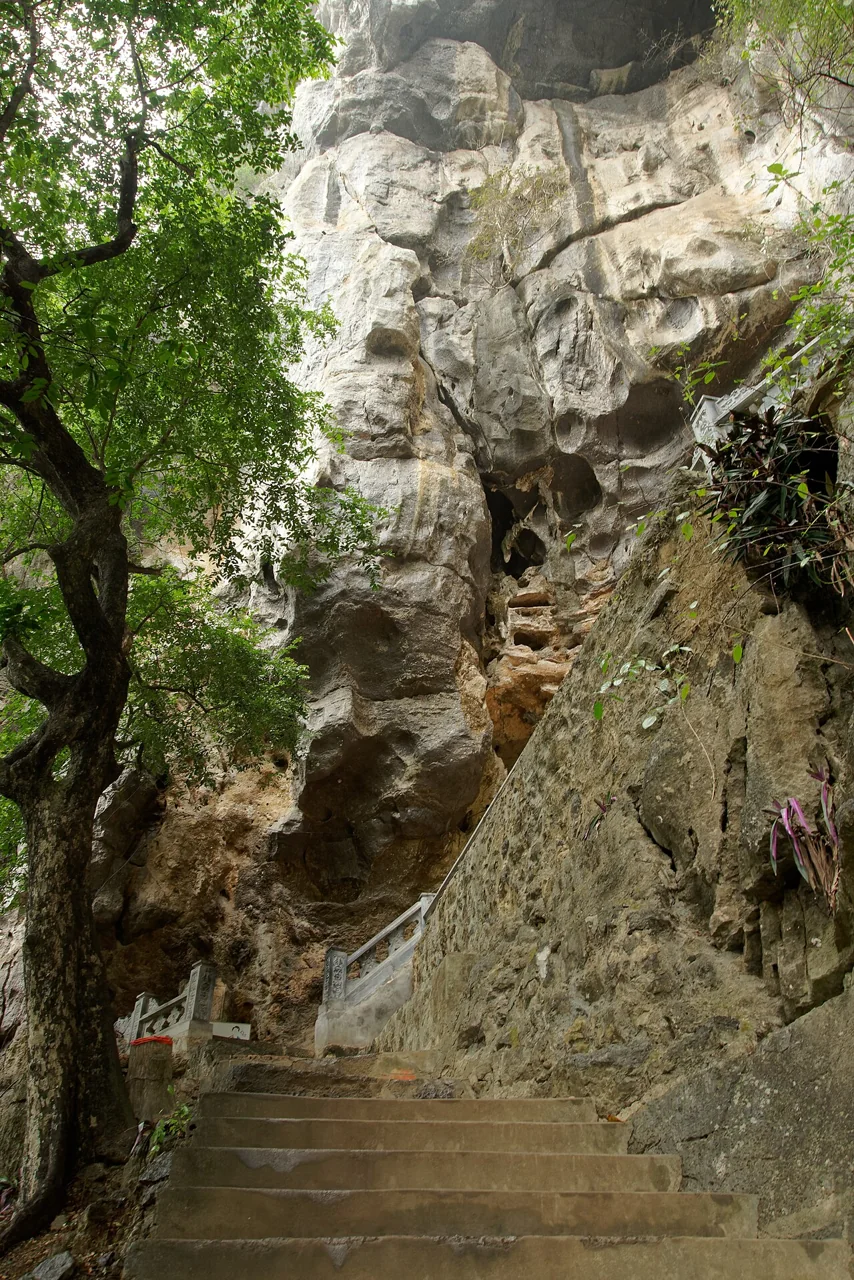
The route from the Lower Temple to the Middle and Upper temples includes steep steps and a cave section. Walk slowly and wear shoes with good grip; visitors who find stairs difficult can worship in the lower area. Do not climb cliffs for photographs. Ask separately about parking and boat services in the Tam Cốc area.
Highlights
- Lower, Middle and Upper temples arranged along the mountainside.
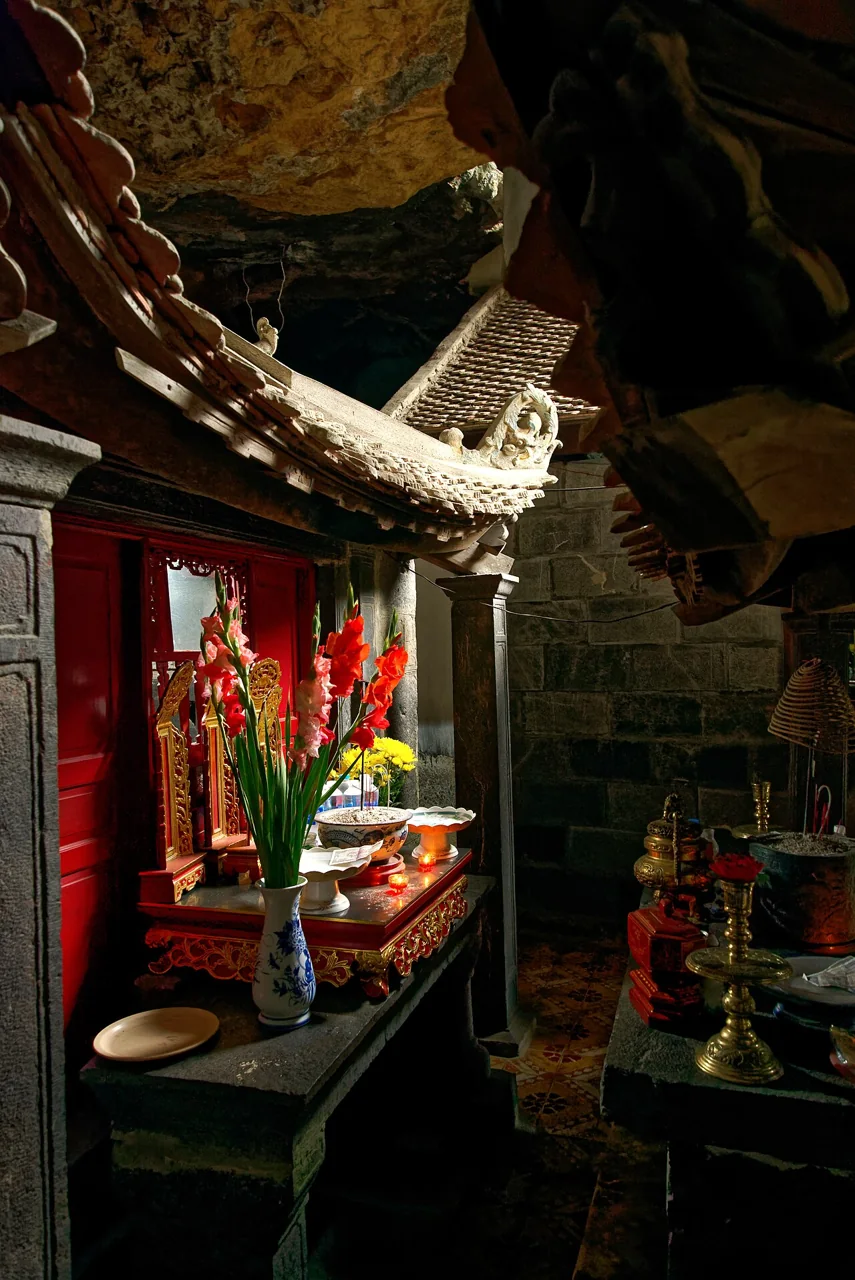
- Temple buildings and caves joined into a Buddhist worship space.
- The large Bích Động inscription on the cliff, linked to the scenic site’s history.
History and origins
According to the Department of Cultural Heritage, the temple was founded during the Later Lê restoration period and is associated with the monks Trí Kiên and Trí Thể. In 1774, the name Bích Động was carved on the cliff during a visit by Lord Trịnh Sâm.
The site is also linked to resistance against French rule. It is one component of a wider scenic area; individual structures should not each be described as a separate heritage property.
Architecture & surroundings
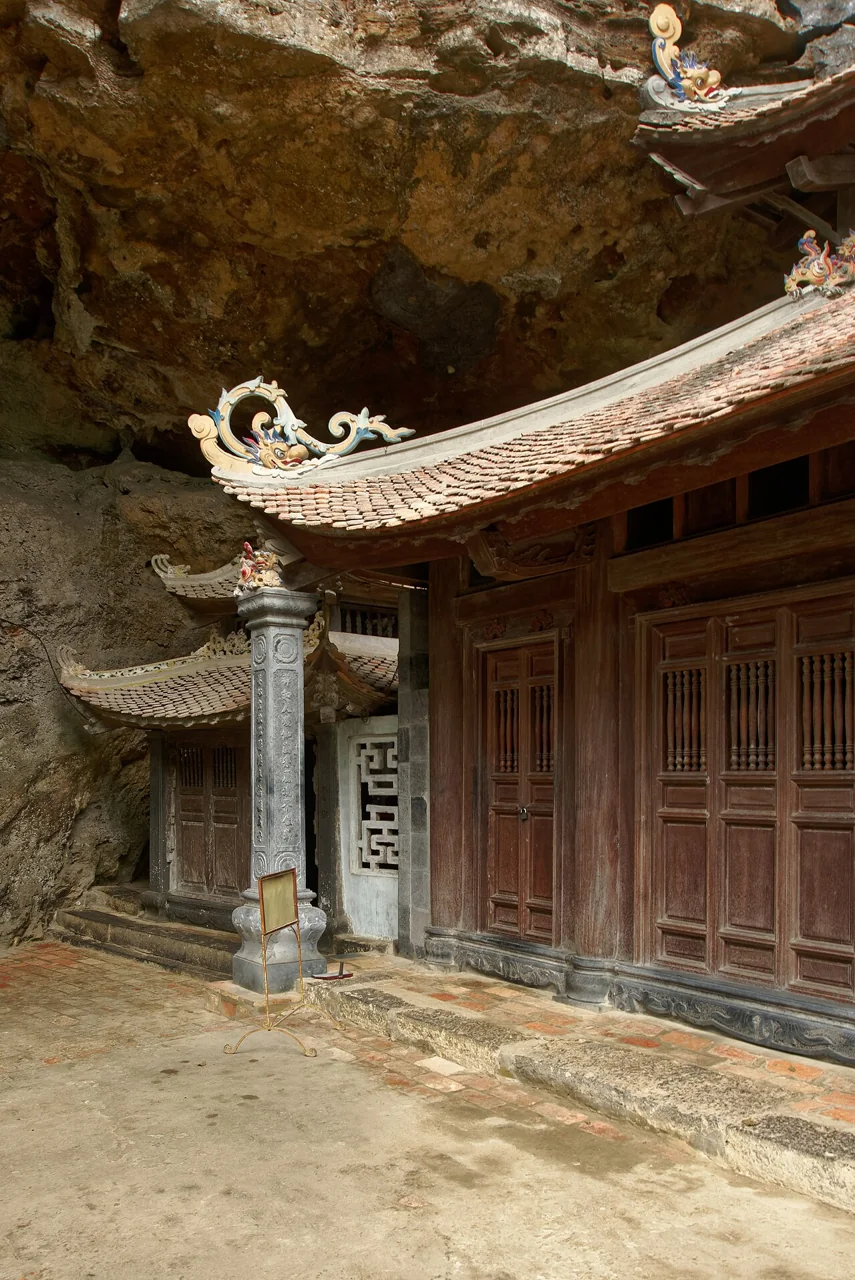
The three-temple layout uses the terrain rather than levelling the mountain. The Lower Temple stands at the foot, the Middle Temple against the cliff and the Upper Temple higher up; a dark cave forms part of the worship space. The harmony between buildings and limestone scenery is its defining feature.
Cultural value
Bích Động illustrates an approach to landscape using restrained architecture while retaining caves and cliffs. Layers of religious history, poetry celebrating the scenery and resistance history together give the destination its value.
Events & festivals
Please ask the temple about current practice sessions and observances. Hoa Lư or Tràng An festivals nearby have their own venues; when combining pilgrimage stops, please check the correct location and programme.
References & photo sources
Information checked: 2026-10-20. Documentary photographs may differ from current conditions.
Photo 1. Bích Động Temple amid the rocky mountains.
Jakub Hałun · Original photo · CC BY 4.0
Resized and converted to WebP without altering the image content.
Photo 2. A view of Chùa Bích Động.
Jakub Hałun · Original photo · CC BY 4.0
Resized and converted to WebP without altering the image content.
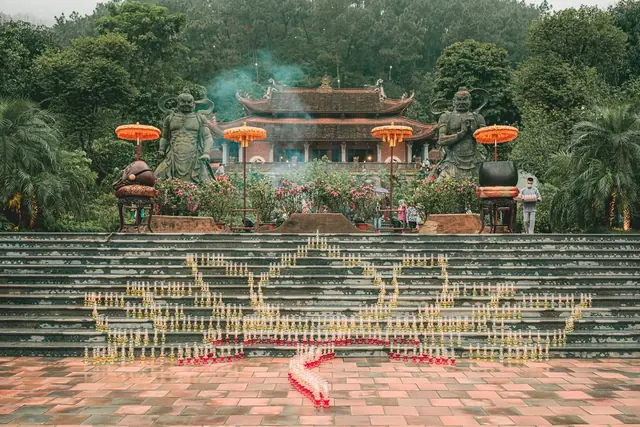
Photo 3. The temple and cave surroundings.
Jakub Hałun · Original photo · CC BY 4.0
Resized and converted to WebP without altering the image content.
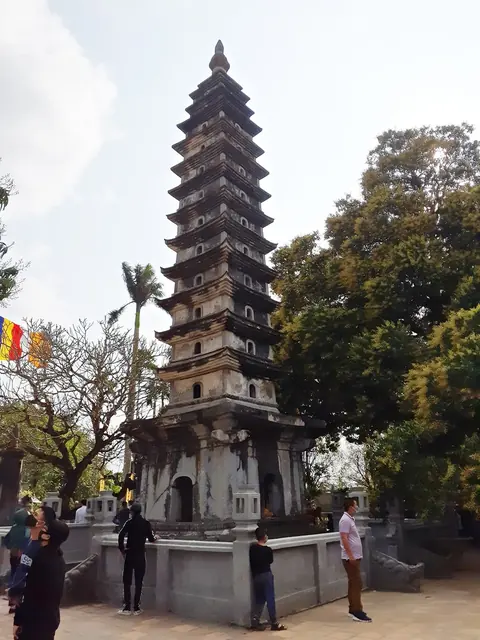
Photo 4. Architecture within the Bích Động complex.
Jakub Hałun · Original photo · CC BY 4.0
Resized and converted to WebP without altering the image content.
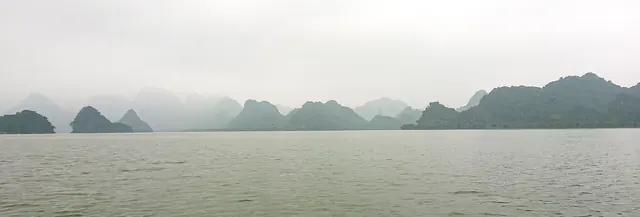
Photo 5. The landscape of Bích Động Pagoda.
Jakub Hałun · Original photo · CC BY 4.0
Resized and converted to WebP without altering the image content.